
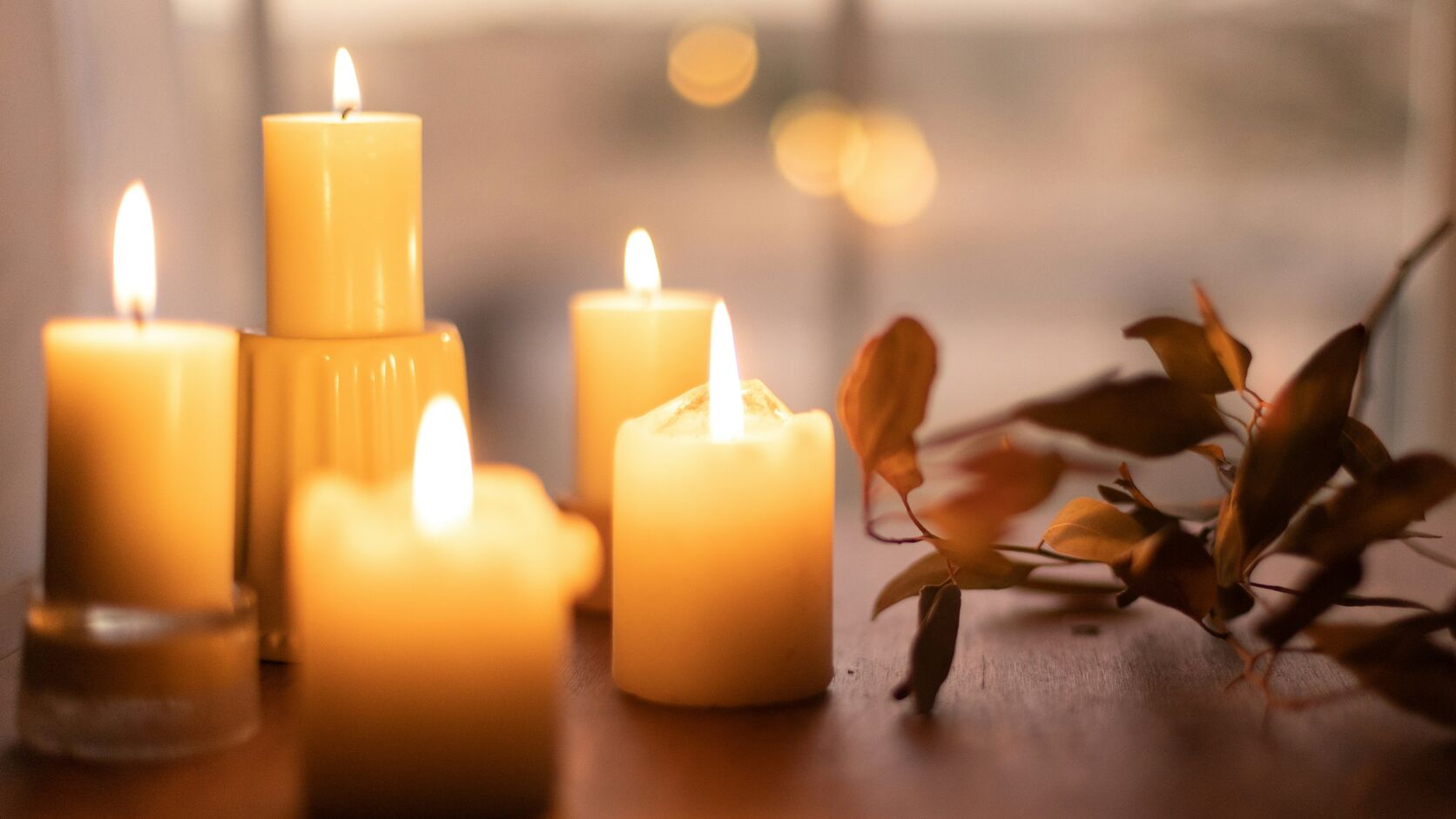

When October arrived, the smell of cinnamon brooms took over my mom’s house. Celebrating a change in seasons doesn’t have to overwhelm your home. We chatted with scent experts to find ways to layer seasonal scents, learn why seasonal scents are appealing, and find ways to help your home smell like fall, without overpowering the spaces.
Why do we gravitate toward seasonal scents?
Kershen Teo, founder and working perfumer of Prosody London, explains some of the “why” behind the brain’s scent response.
“Scent is processed close to the brain’s emotion and memory centres, which is why a note like cedar or clove can bring back a specific moment. Fall’s signature materials (warm woods, resins, spices, dried fruit) also read as comfort and shelter as days shorten and the air cools. Cozy is a composition, rather than a single ingredient.”
Victoria Thorburn, owner of Sprig Herbals, looks at the changing seasons from another perspective, focusing on how the season and scents can be grounding.
“As an herbalist, I view seasonal changes around us from a vitalist and energetic perspective. Summer brings our attention to flowers and green growth, where plants are directing so much of their energy and vitality. In Fall, there is a shift toward seeds and roots as energy moves inward and plants prepare for the approaching Winter. We also experience a version of that shift as the weather cools and the days get shorter. It feels natural to spend more time indoors, to turn our attention inward and to reach for comforting, warming, and grounding scents and flavors.”
What is your seasonal scent?
Finding your favorite fall scent can be a process. Try answering these questions as you look for your own not-overpowering autumn scents.
- What smells do you love or hate, regardless of the season?
- What are your favorite perfumes’ top notes?
- Do you enjoy unconventional home scents?
- What is your “cinnamon broom” that feels nostalgic (in a good or bad way)?
- What smells help reduce your seasonal stress level? Which ones stress you out?
- Does anyone in your home have scent aversions or allergies?
- What is the size of your space overall and for decor storage?
- What is your style blueprint?
- Are your spaces decorated in neutral tones, pastels, or brighter colors?
- What candle containers appeal to you visually? Glass? Ceramic? Shaped like seasonal objects?
- How old are your kids? Are candles sitting on low surfaces dangerous? Did you visit an apple orchard with them recently, and want to recreate those smells?
- Are there pets in your home that shouldn’t be exposed to potentially-ingestible items?
What are some seasonal scent options?
The scent experts encouraged exploring a range of fall scents. Some are unexpected, while others are ones you might find in your own pantry.
- Warm bases such as cedarwood, sandalwood, frankincense, and labdanum, lifted with a bright top note like dried or fresh orange peel or bergamot so the room doesn’t feel heavy
- Natural and dried fruit as a seasonal signature: fig, and other sun-warmed, slightly-sweet notes that feel like autumn
- Spice as an accent rather than lead: cardamom, clove, and black pepper are naturally more sophisticated than heavy cinnamon-and-sugar profiles
- Familiar pumpkin spice herbs, rosemary, sage, and bay, pine or fir, and more earthy smells of mushrooms, fallen leaves, and wood smoke.
- Scents that come from living seasonally. That could look like cooking with pungent aromatics like rosemary and thyme, making tea, simmering decoctions, baking apples, or bringing evergreen branches indoors.
Clear the air
Before adding seasonal scents, it can be helpful to start with a clean home palette. A pumpkin candle layered over last night’s dinner may not have the same positive impact when mixed together. An air purifier is a great option to get your home’s air ready for autumn, while a mini fan works for smaller spaces.
Mom-of-three and company founder Roseline Okoro suggests using fall scents in your everyday cleaning processes.
“This season that’s making your home smell like fall, can start with something you’re already doing regularly – mopping and vacuuming carpets. Adding subtle scents with the cleaning you do anyway is a lovely way to introduce seasonal changes into the home.”
Thorburn has a similar approach with her suggestion that, “aromas work best when they are creating an atmosphere rather than trying to cover something up.”
Seasonal home feng shui
While feng shui may be often thought of as a way to align your furniture and decor items, it can also guide your home’s scents, especially as they change with the seasons.
“In Feng Shui, scent is one of the subtle ways we can shift how a home feels and how the body responds within it. During fall, cinnamon, clove, and sage can make a space feel grounded and comforting, while lemon brings brightness and helps clear heavier energy. A simple simmer pot with lemon slices, cinnamon sticks, and a few cloves brings those qualities together, creating a home that feels warm, fresh, and beautifully balanced.” — Dee Oujiri, Feng Shui Red Ribbon Professional and Biophilic Design Accredited Practitioner
Open your home (and your windows) to fall
Bringing in outdoor scents, baking, or lighting a fire are simple ways to help your home smell like fall, by integrating things you already do.
Kaye Bellis, Founder, Creative Director of Aurelia L’Atelier, recommends, “opening windows to refresh the air, washing linens with warm scents, and using spice bags. Open the windows to add that fresh cool air and then anchor the atmosphere with something heavier. The smell of fresh baked bread, in my opinion (the daughter of a pastry chef) cannot be replicated by a candle. Another thing I love to do when the weather starts to cool is light a fire.”
Fall for a fall self care sensory experience
Another way to introduce fall without overpowering is at a personal level. This can be a smaller moment that focuses on you AND fall scents, using your senses to savor a fall beverage in a lovely handcrafted mug, eat a luxurious autumn chocolate, enjoy a fall-themed spread on your toast, or start your day with a pumpkin muffin.
Jill Ogorsolka, co-owner Kate’s Magik, labels these quiet moments, “destimulation through scent, that is less about expecting an essential oil to change everything and more about using aroma as a familiar signal: the workday is over, the lights are lower, and it is time to settle into home.”
Try this ritual scenario (or parts of it) to fall into your own personal seasonal sensory moment.
Settle into your favorite chair. Be ready to take in all five senses through eating and drinking.
- Bake pumpkin spice muffins. Take in the baking and tasting scents.
- Add a pumpkin butter spread or cinnamon apple jelly to toast.
- Brew some cinnamon and vanilla-scented coffee with a splash of pumpkin creamer into a handmade ceramic mug. Try a warm mulling spice mix drink or Chai Tea Latte. Feel the warmth of the mug, as you see steam and smell the hot beverages in your hand.
- If you prefer a cool drink that transports you to fall scents, try smelling and sipping a crisp apple prebiotic iced tea, an aromatic mocktail, candy apple concoction tea from a fall-toned tea kettle, or a seasonal moon milk with black cacao, cinnamon and nutmeg.
- Savor a luxurious autumn-themed chocolate.
If you’re looking for something fall for your stove top AND mug, Thorburn suggests creating a decoction.
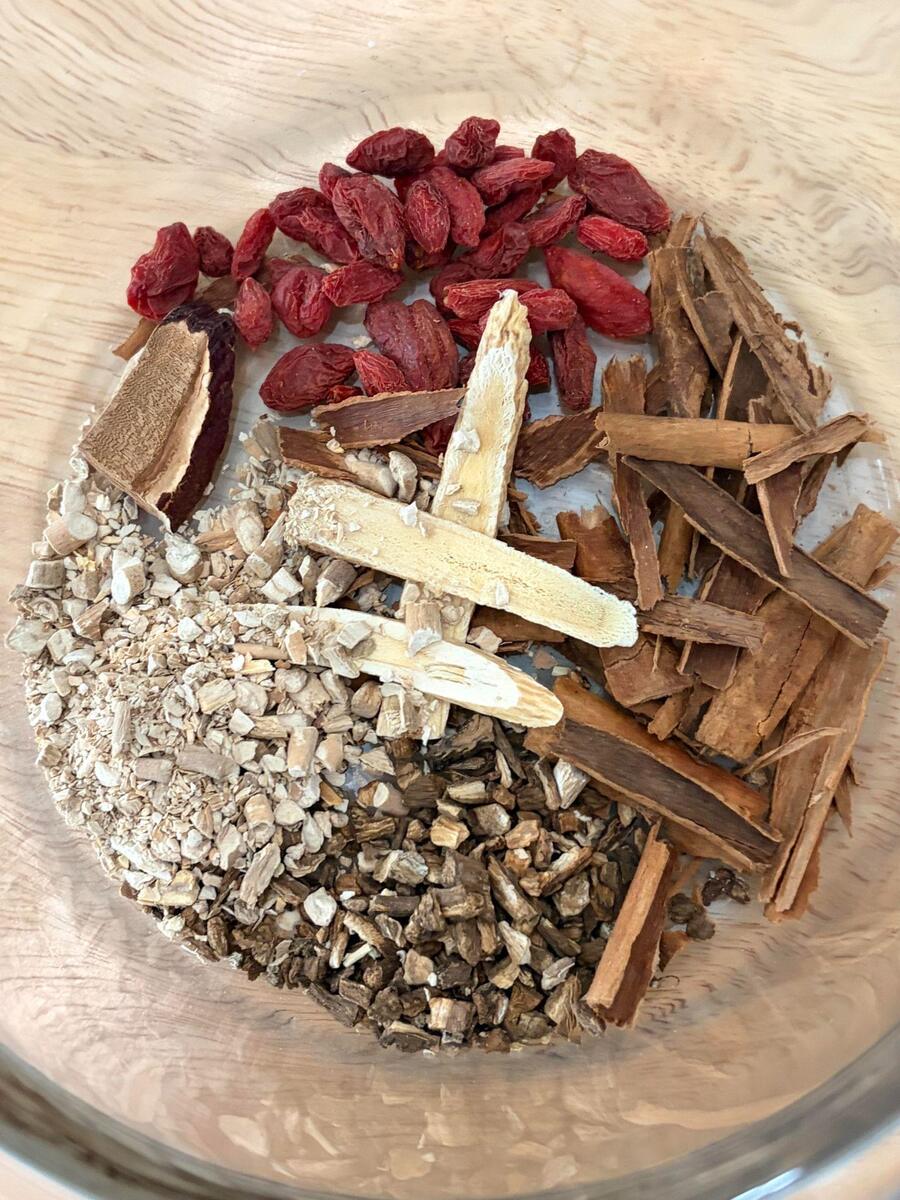
“One of the ways my own house starts to smell like fall is through decoctions. A decoction is a kind of herbal tea made by simmering tougher plant parts like roots and bark on the stove for an extended period of time. One of my personal favorites combines astragalus root, ashwagandha, cinnamon, and hawthorn berry. It slowly fills the kitchen with a warm, earthy, slightly sweet scent while also making a delicious and nourishing drink that won’t go to waste.”
Recipe
- 1 Cinnamon stick, broken up
- 2–3 slices Astragalus root – or 1 tbsp of small root rounds
- 2 Tbsp roasted Burdock root
- 1 Tbsp Ashwagandha root
- 1 small thumb-sized piece of Reishi mushroom (can leave out or sub with Turkey Tail or Chaga)
- 1 Tbsp Goji berry (can sub with 1–2 dried Jujube or 1 Tbsp Hawthorne berry)
Add the herbs to a stove safe pot and cover with about 8 cups of cool or room temperature water. Bring to a slow boil and then reduce the heat to its lowest setting and simmer for at least an hour and up to four hours.
How to layer without going overboard
Another way to keep autumn smells in your home from becoming overpowering is to layer scents. The scent experts explained ways to release and layer scents in your home.
- Use one dominant scent per room, with a second as a supporting layer.
- Match intensity to the room: light in kitchens and living areas, softer and more resinous in bedrooms.
- Use diffusion or candles in short intervals. Let the space breathe between.
- Layer by note family (wood with wood, spice with citrus), so scents complement rather than compete.
- Seasonal scenting works well as ritual: marking the shift from day to evening, or from summer’s pace to something slower.
- When creating a fall combination, start with one wood or resin, add something fresh, and then use spice as the accent.
- Cedarwood, juniper, or frankincense can create a warm, outdoorsy foundation. Sweet orange or bergamot keeps it from feeling too heavy.
- Add a small amount of clove, cassia, ginger, or rosemary. The spice should be the quietest part of the blend. Clove and cassia are beautiful, but they can take over a room very quickly.
- Begin lightly and give the scent time to move through your room(s). If you stop noticing it, don’t immediately add more. Your nose may have adjusted even though everyone entering the room can still smell it.
Hold a candle to fall
Sometimes, an autumn candle is just what you need to find fall. These options range from pumpkin-shaped to pumpkin-scented.
- Scented Pumpkin Shaped Beeswax Candle – If you love pumpkin-shaped decor, this is your candle. Pumpkin spice essential oils combine with sweet-smelling pure beeswax to evoke pumpkin pie.
- Scented Candle Sample Tins – For a little fall, this sample size of pumpkin-maple beeswax candle keeps pumpkin spices in a tin, with a lid.
- Pumpkin Spice Candle – This handmade vegan coconut wax blend candle features a cotton wick and 50% recycled glass. It’s “all grown up”, with essential oils offering notes of apple, lemon, pumpkin, maple, nutmeg, cardamom, and cinnamon.
- Beeswax Botanica Fall Pillar Trio – Long-burning raw beeswax, pure essential oils, and botanicals make up this candle trio that features scents like lemongrass, cassia & rosemary, cypress & sandalwood, and spruce.
- Pumpkin Chai Scented Candle for Home – A natural soy pumpkin chai candle in a gorgeous reusable amber glass jar with a lid? Yes, please!
- Hot Cocoa and Cozy Cuddles – “Treat yourself to a liquid hug” in candle form with this 60-hour steady burn, that’s infused with dark chocolate, golden caramel, and toasted hazelnut.
Whether you bring in the outdoors, use seasonal candles, or take in a personal seasonal scent experience, finding your fall home environment doesn’t have to be overpowering.
Ogorsolka expands on that, “some of the best fall scents come from living in your space. Bake apples, peel an orange, roast something with rosemary, or cook with cinnamon and cloves. Those aromas become connected to what was happening in the room and who was there. In the end, that can be what makes a home smell like fall: warmth, memory, and the feeling of coming home.”
Related reading
- Fight the Fall Scaries: Simple Ways to Beat Seasonal Anxiety
- The Anxiety That Shows Up Every Fall and What It’s Actually About
- Nervous System Regulation for Moms Who Cannot Meditate
- 5-Minute Meditations for Moms — 6 Resets That Actually Work
- The Mom’s Fall Fashion Edit: High Style, Real Budgets
This article is for general informational purposes only and is not medical advice. Check with your provider before trying herbal decoctions, especially if you’re pregnant or breastfeeding, and keep candles, essential oils, and herbs out of reach of children and pets.