
for the new generation of mothers
Motherhood reshapes you — it doesn't erase you. Identity is the space for the rest of who you are: your wellbeing, your work, and the things you won't put down.
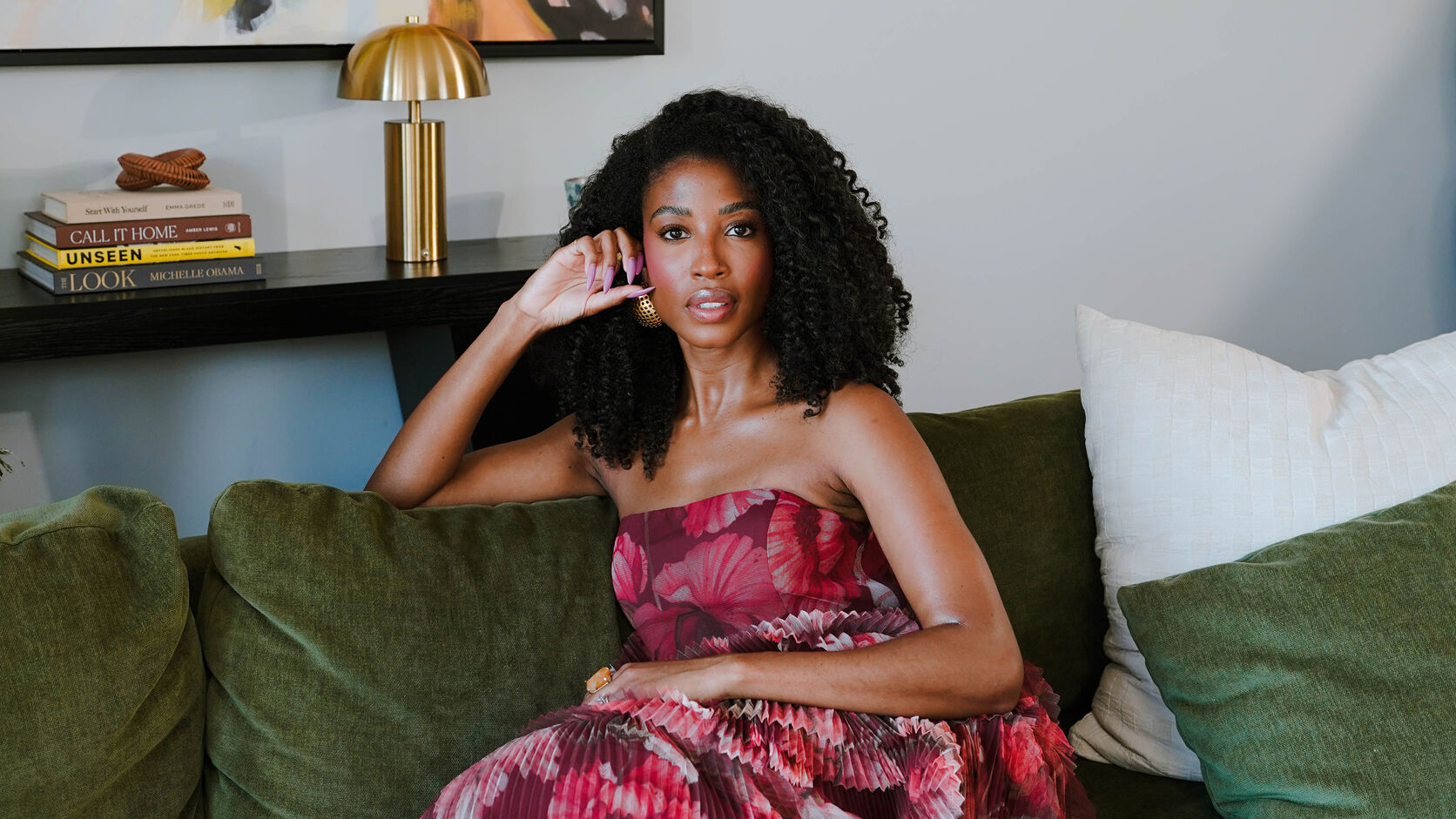
Now a founder, podcast host, and mother to her son Shai, Aisha Beau Frisbey talks about permission, postpartum, and why she refuses to shrink herself into anyone’s idea of a mom.
Read the feature →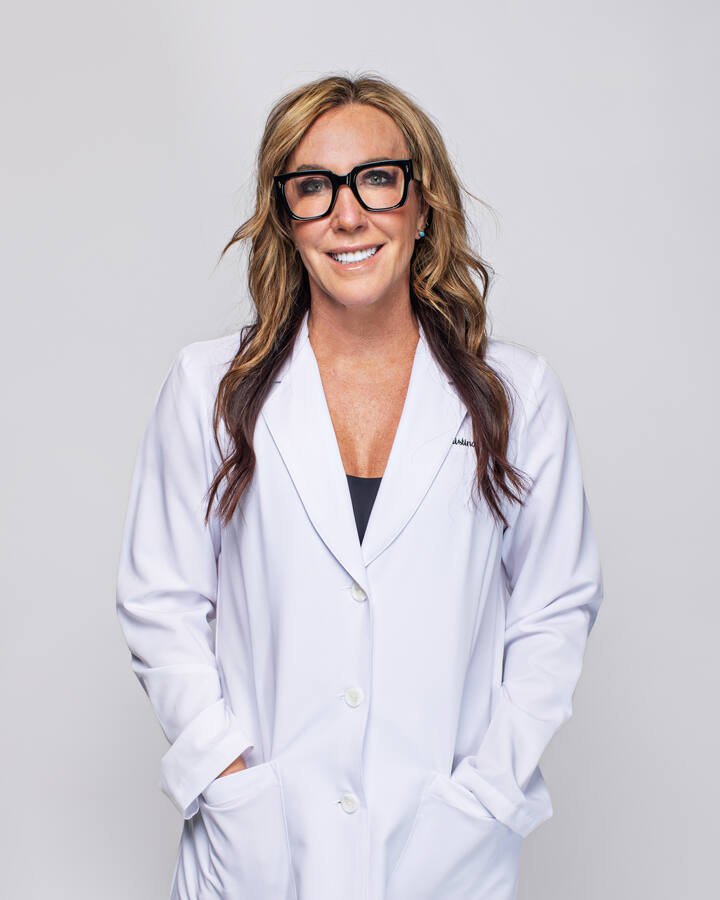
The scientist, entrepreneur, and mother of four on how becoming a patient changed her work, what she teaches her children about wellness misinformation, and why she stopped chasing perfect balance.
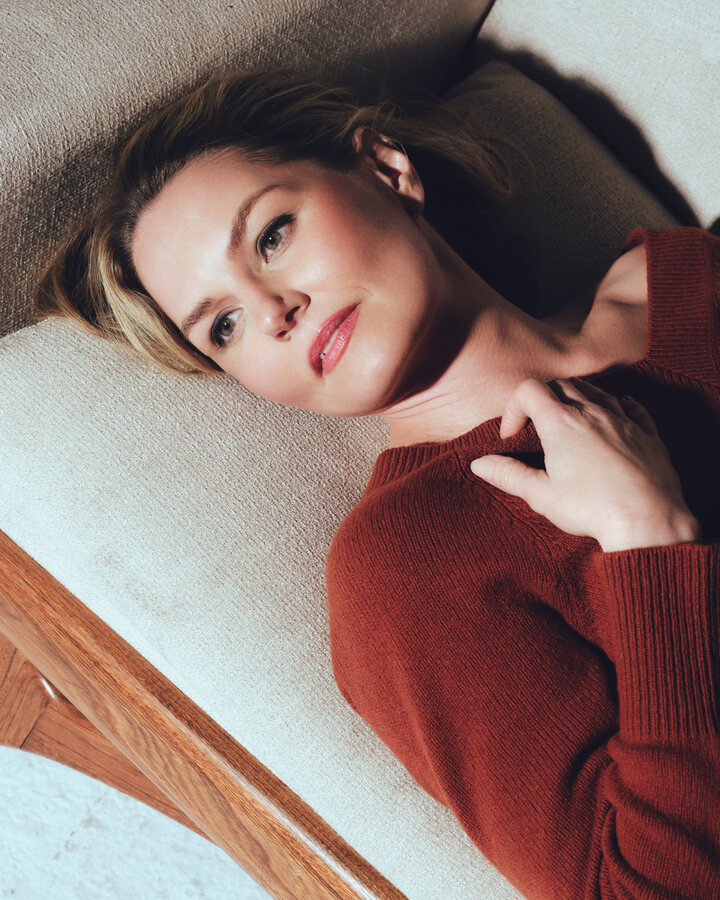
The Once Upon a Time star and director on the first trimester she hid on a Brooklyn set, why everything is now negotiable, and the guilt she refuses to double.
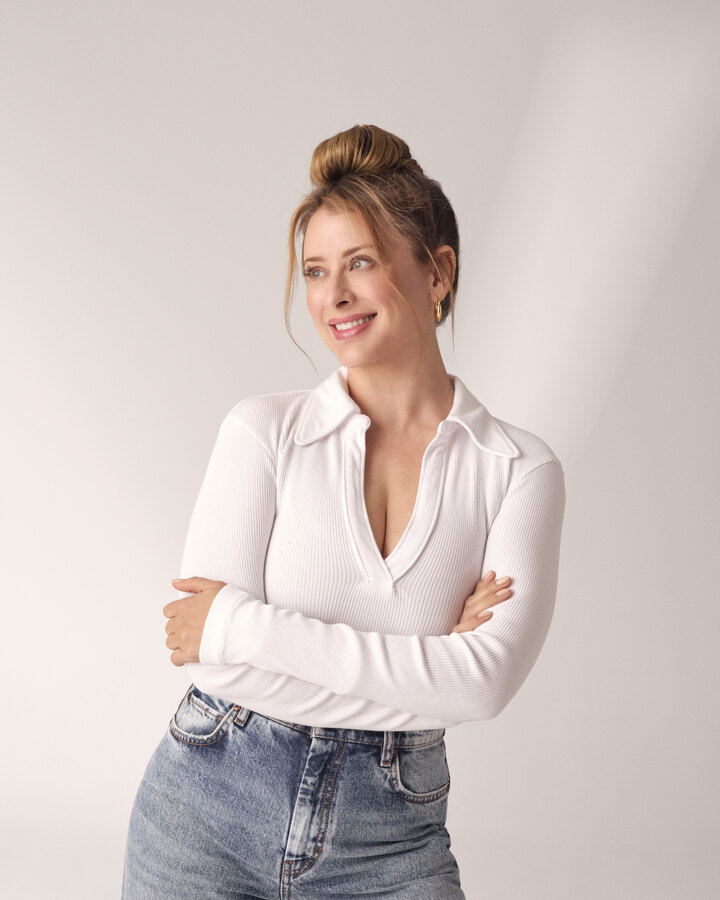
Seventeen and famous for being watched, a decade into the health company she couldn’t find, seven months into a motherhood she has decided to keep unfiltered — the Love Wellness founder on consent, the long recovery, and the instinct that never changed.
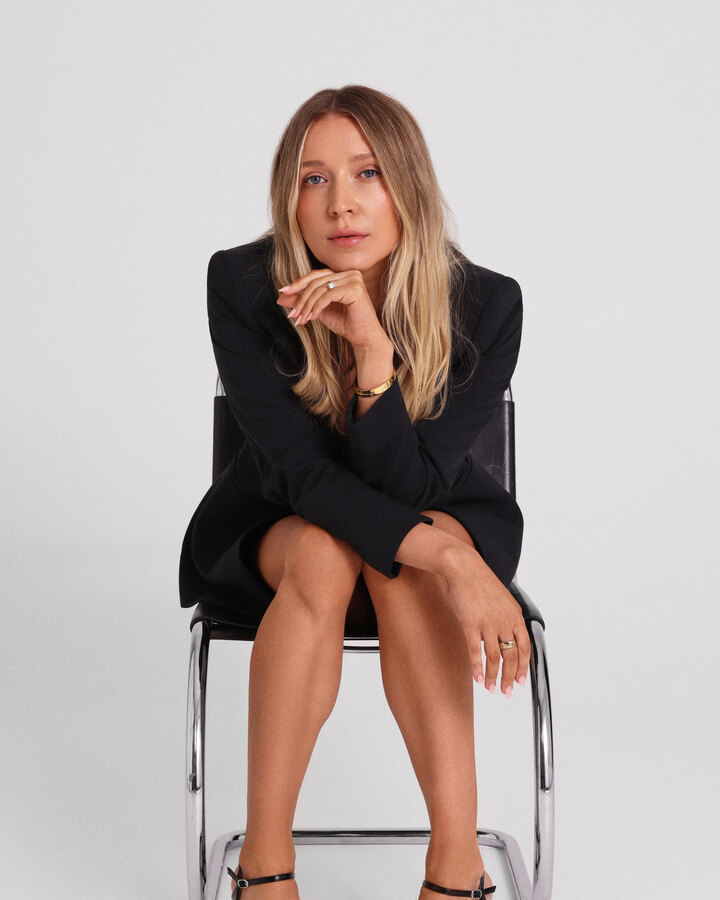
The bestselling author on emotional sovereignty, letting go of the outcome, and why choosing yourself was never the selfish thing.
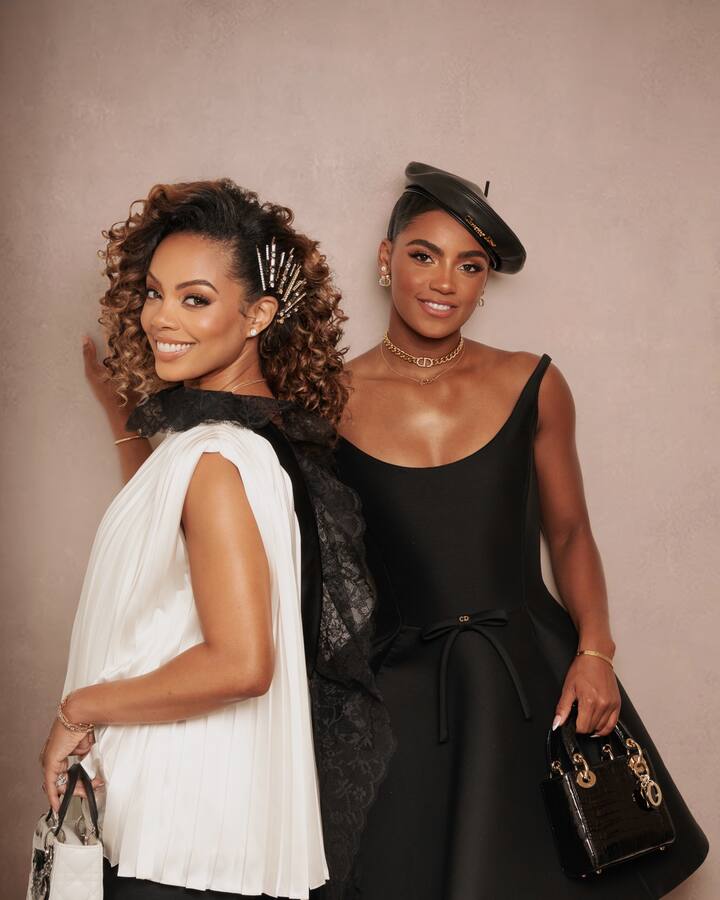
A woman who built one of the most recognizable beauty brands in the world, and the daughter who inherited the discipline but not the blueprint.

When her own path to a family didn’t go the way she planned, she turned everything she learned — the cost, the isolation, the fight — into a way to make it possible for someone else.
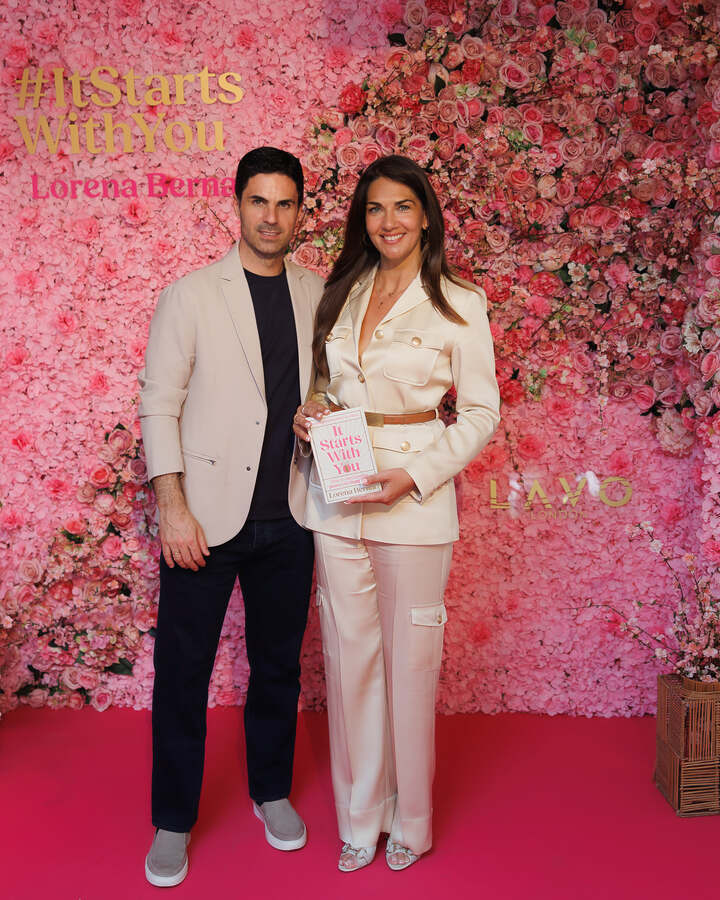
Miss Spain, actress, author, coach, mother of three. For years she kept every version of herself in a separate room — until the performance grew heavier to carry than the truth.
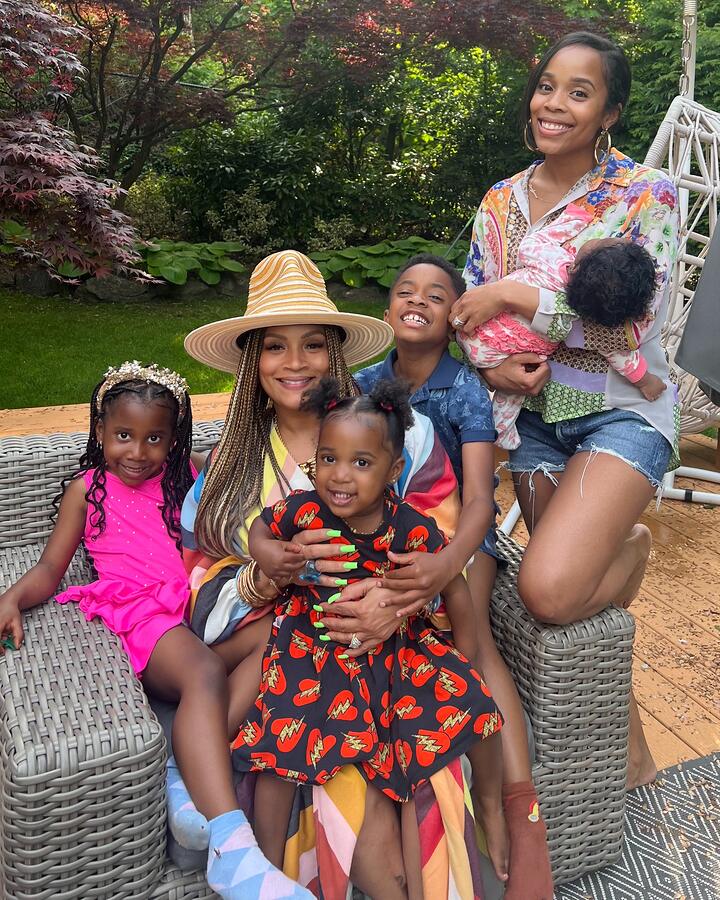
A woman the world kept trying to shrink, who declined the invitation every time. On faith, survival, family, and the art of staying whole.
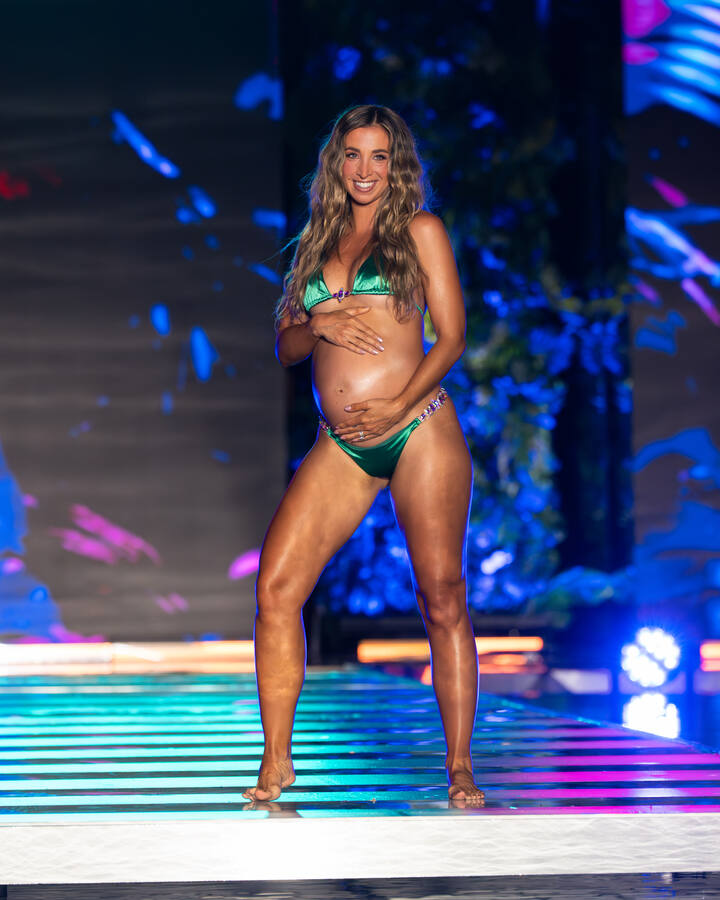
Division I lacrosse, five-day training weeks, a wellness brand. Then she got pregnant, and the body she'd always trusted stopped behaving like her own.

Loneliness is now a line item on corporate mental-health reports. Mothers found the antidote first — and it looks like a Tuesday-morning loop around the park.
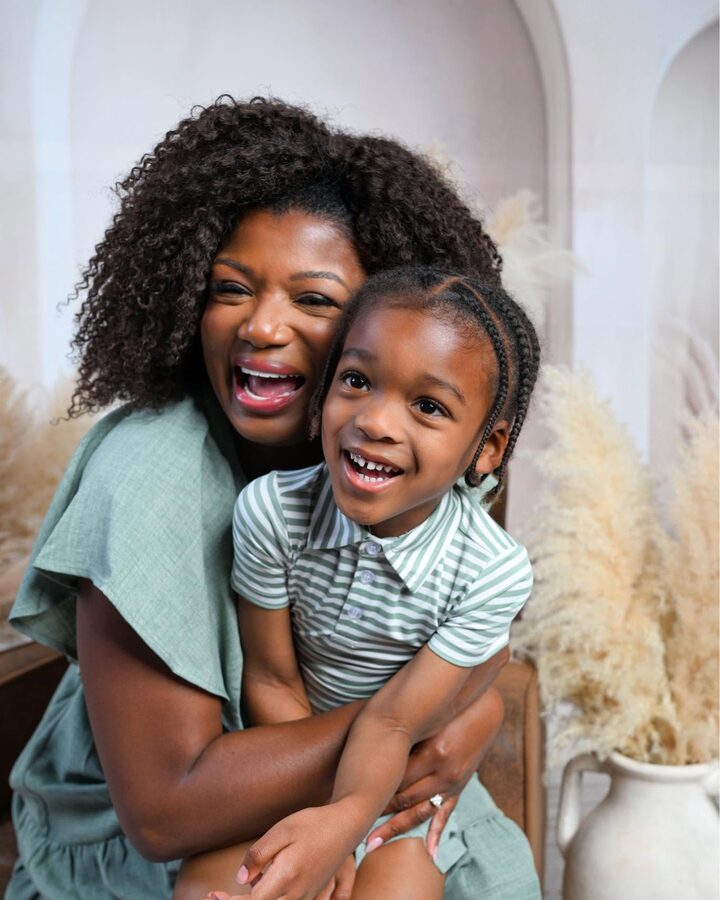
She built a life on achievement: the uniform, the doctorate, the six-figure federal career. Then her son needed her in a way none of it had prepared her for.
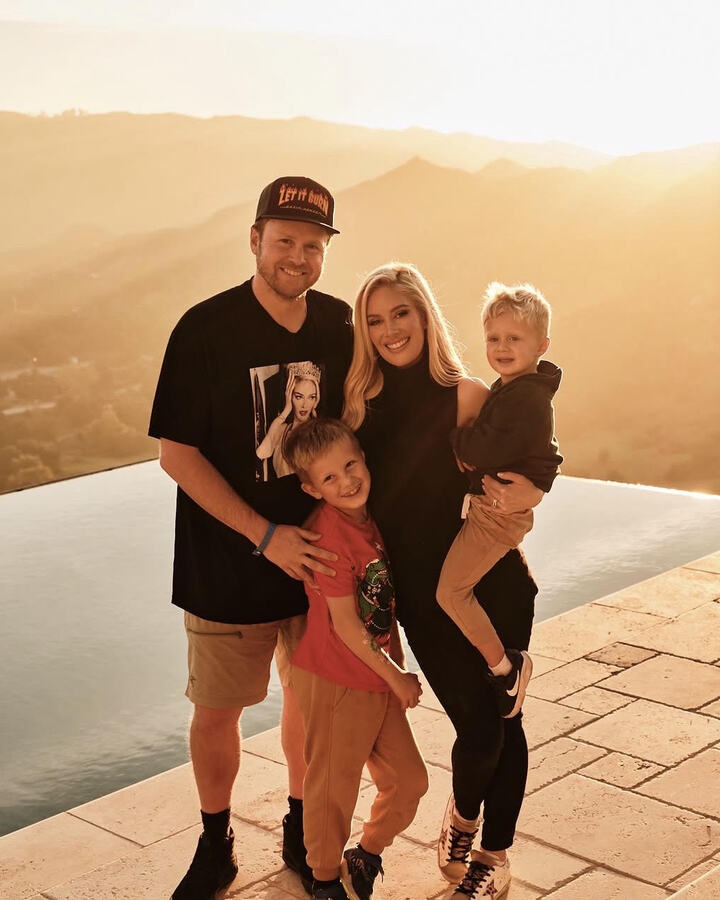
Our July cover story. She lost her home in the 2025 Los Angeles fires, released Masterpiece, and is raising two boys she'd rather keep out of the spotlight.
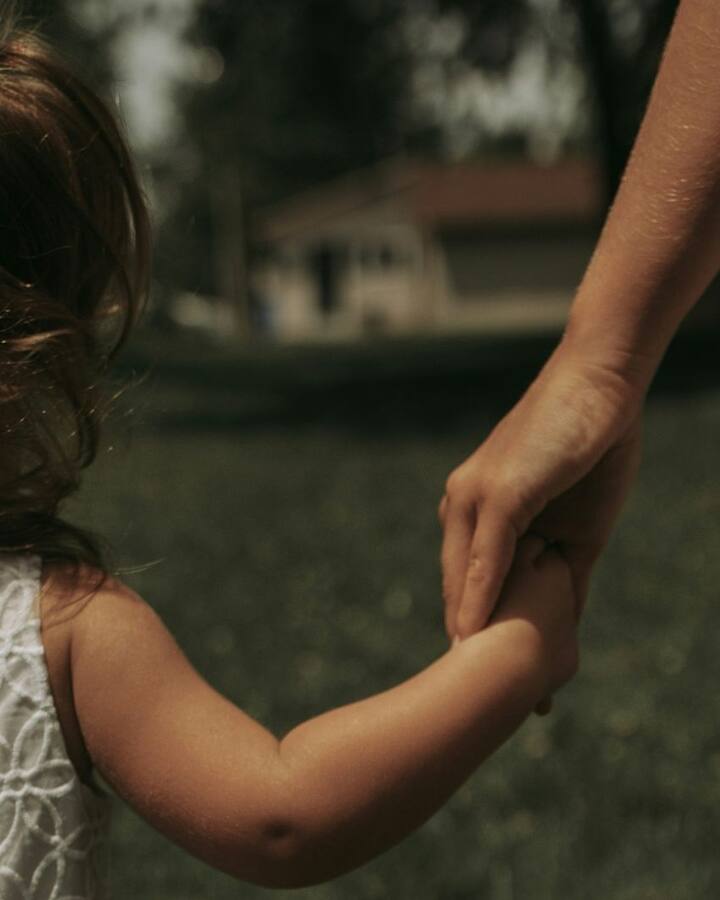
Motherhood comes with no shortage of advice, warnings, and well-worn clichés. But while most are offered with good intentions, some familiar phrases leave moms feeling anxious, guilty, or like they're somehow already doing it wrong.
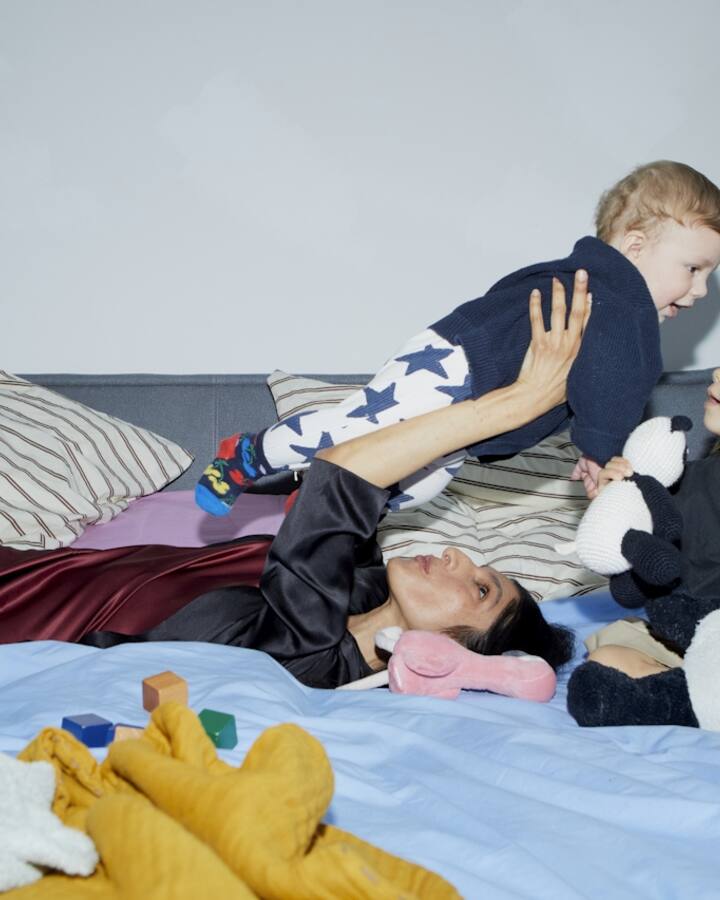
The quiet, funny, devastating truth about who we become when we become mothers — and the equally quiet work of deciding that the person we were before does not need permission to still exist.
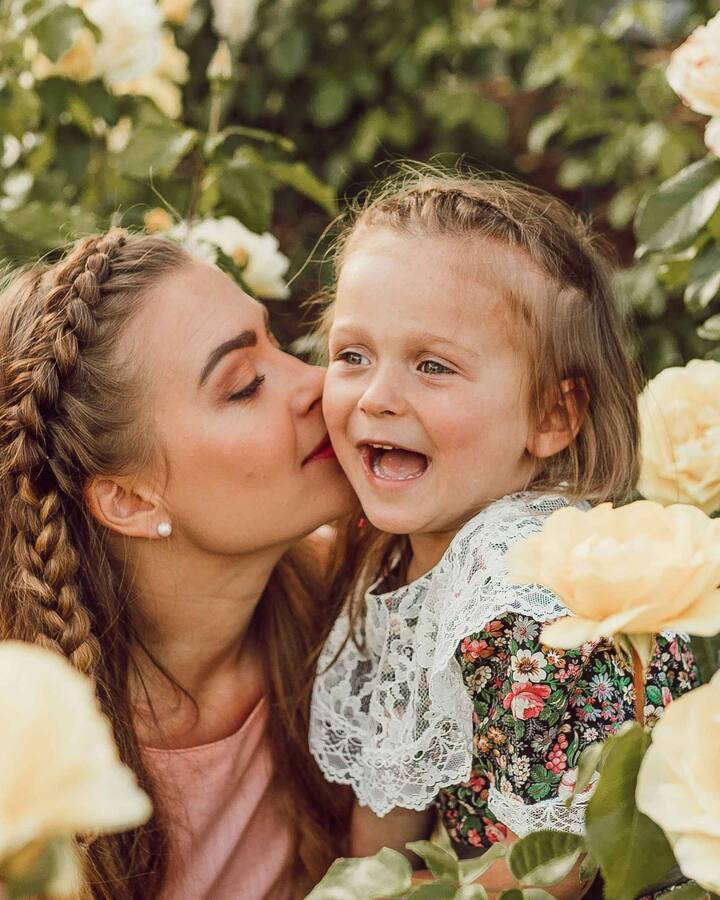
Most women picture the mother they'll be: patient, present, the one who never yells. Then they meet their actual children. The gap between the mother you imagined and the one you are — and why that's okay.
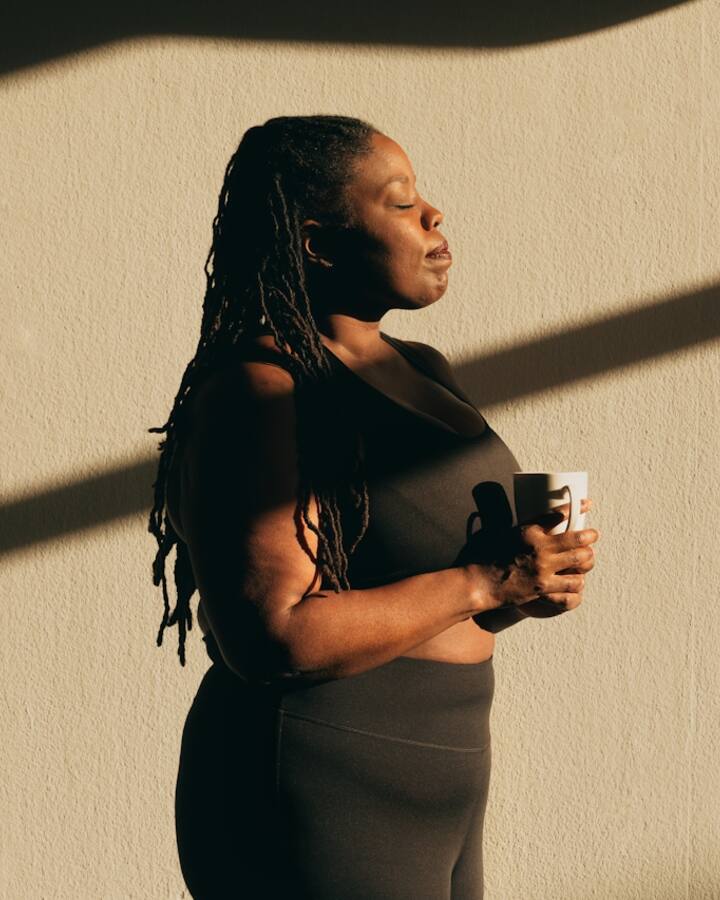
The self that existed before the baby does not disappear — she goes quiet. Identity loss in motherhood is documented and near-universal. The research, and the small practices that bring her back.

They still loved each other — they had just stopped being the people who knew how to show it. What the research shows about couples after a baby, and what the ones who make it through do differently.

A landmark 2025 JAMA study of nearly 200,000 mothers found the share reporting excellent mental health fell from 38% to 26% in seven years. This is not postpartum — it is a systemic, sustained decline.

The greeting-card version of motherhood leaves out the rage, the grief, the loneliness, and the ambivalence — and leaves mothers alone with the very experiences most in need of being named.

One in four American mothers chose to step away from paid work — and the culture still treats it as provisional. The identity work nobody discusses, and what the women who carry it most gracefully know.
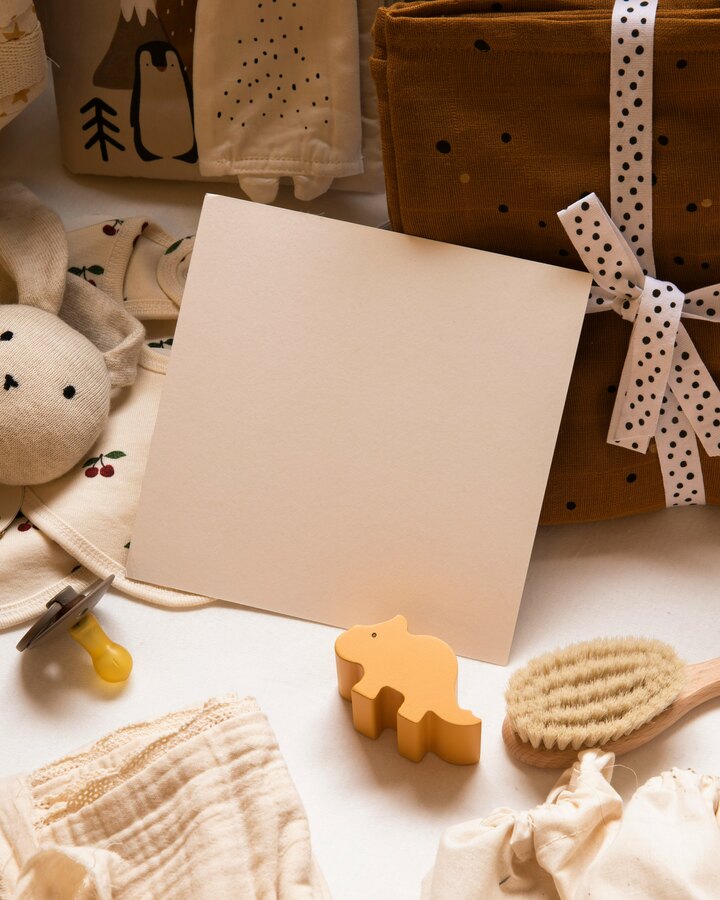
The things you loved before the baby aren't gone or outdated — they're diagnostic information about who you still are. Why they go dormant, and how to find your way back.
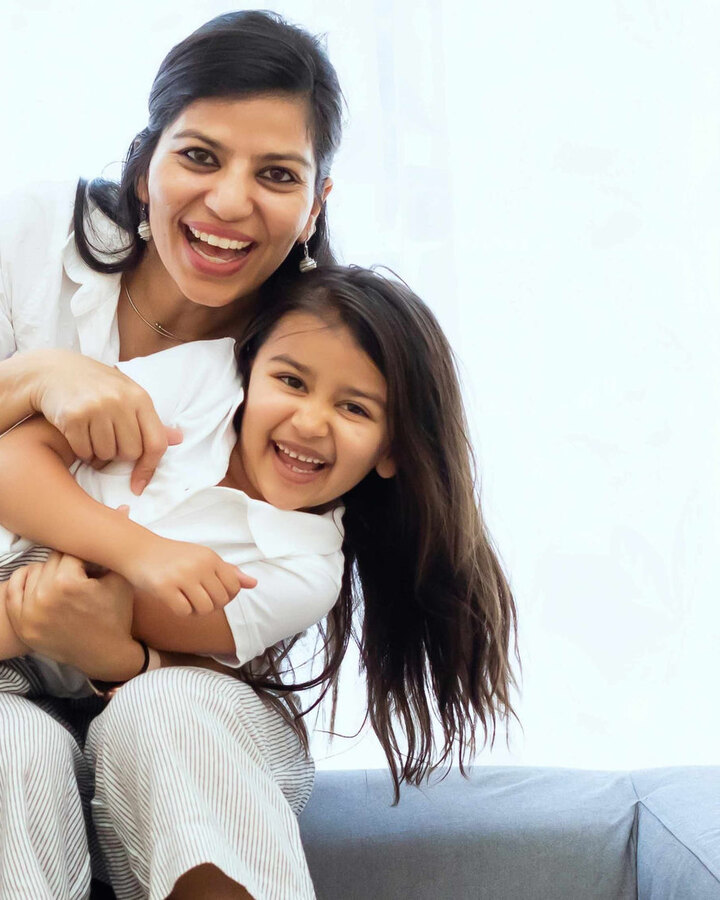
There's a word for the identity shift of becoming a mother — matrescence. What it means, the science behind it, and why naming it changes everything.
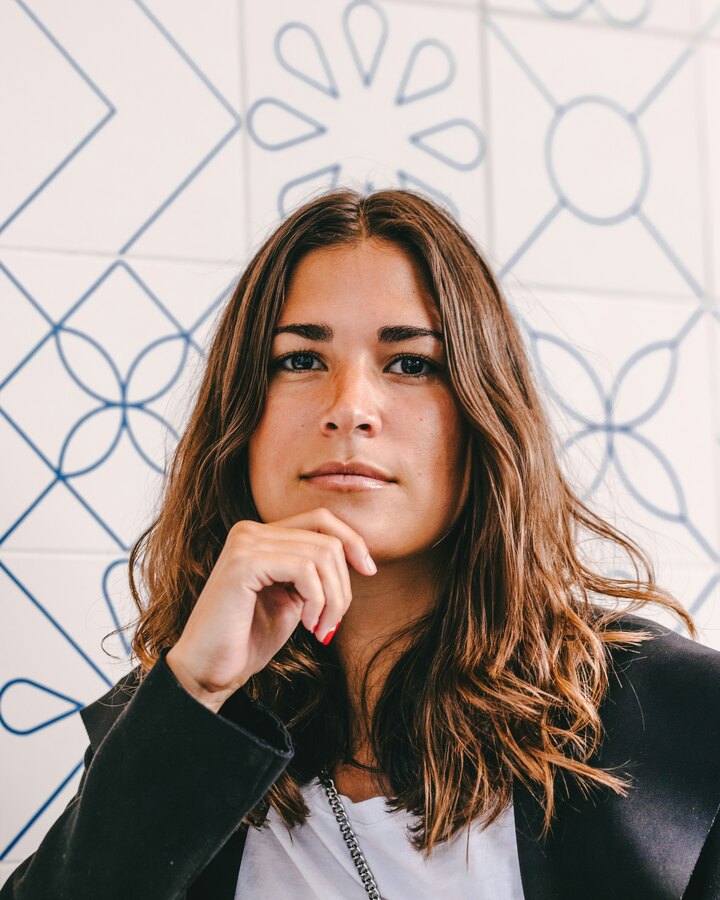
The mental load is real, it's measurable, and it falls disproportionately on mothers. What the invisible work actually costs — and what helps.