On the surface, it sounds like a nutrition story. A woman decides to eat better. She downloads an app, clears the pantry, commits to clean eating. For a few weeks, maybe a few months, it works. And then it doesn’t. The wheels come off, the guilt rolls in, and she concludes, once again, that she is the problem.
Carrie Lupoli has heard this story more than 25,000 times. And after three decades of coaching women, training practitioners, and building Disruptive Nutrition, which is one of the most recognizable coaching networks in the women’s wellness space, Carrie is certain of one thing: the story is wrong. Not the struggle — that part is real. But the conclusion. Women are not failing diets. Diets are failing women. And beneath that failure is something much older and harder to name than a meal plan.
“Nutrition was never the destination,” she says. “It was the doorway.”
What’s Actually Behind the Plate
Lupoli came to this realization not in a boardroom or a lab, but in the accumulated weight of thousands of conversations with women who were doing everything right and still feeling like they were doing everything wrong. She noticed a pattern. The women weren’t struggling because they lacked information. They were struggling because they were making every decision about food, about their bodies, about their worth from a place of pressure.
Pressure to perform. Pressure to be perfect. Pressure, she says, “to prove a worth that never should have been in question.”
She traces a significant part of that pressure to diet culture itself, which she argues was never designed to help women succeed. “Diet culture deliberately created confusion and dependency,” she explains. The goal was not transformation. The goal was to return customers to women who would try, fail, blame themselves, and try again. The system was never broken. It was working exactly as intended.
What Lupoli built in response is a methodology she calls From Corset to Crown, a framework that helps women recognize the invisible pressures running their lives and learn to lead and live without shrinking who they are. The corset in the metaphor is not a garment. It is every rule, every standard, every quiet conviction that a woman must make herself smaller, tighter, more contained to be acceptable. Most women, she says, don’t even know they’re wearing one.
“Nutrition was never the destination. It was the doorway.”
After 30 years and 25,000 clients, what’s the one thing that finally cracked it open for you — the insight that changed how you saw everything?
It was realizing that nutrition was the doorway, not the destination. I kept watching brilliant, motivated women fail at plans that should have worked, and I finally stopped asking what was wrong with their diet. I started asking what was wrong with the pressure they were living under. That changed everything.
What do you say to the mother who has tried every plan, done everything right, and still feels like she’s failing?
I say: you are not the problem. Diet culture was designed for you to come back. The confusion, the guilt, the cycle — that was not an accident. When women understand that, something shifts. They stop blaming themselves and start asking better questions.
The PFC Framework — and What It’s Really About
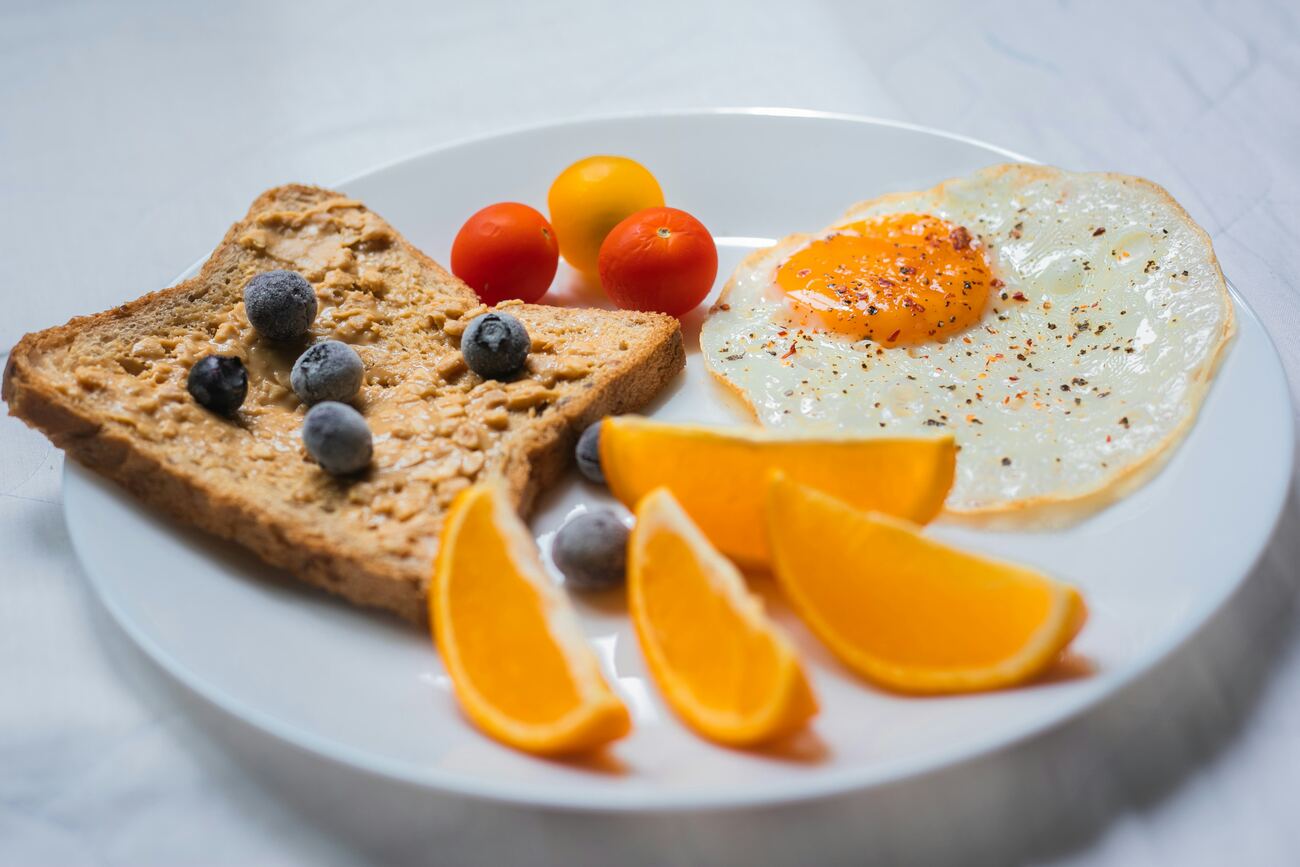
For mothers in particular, the nutritional starting point is simpler than the wellness industry wants them to believe. Lupoli teaches what she calls PFC: protein, fat and carbs, ideally every three to four hours. Protein supports fullness and muscle. Fat supports hormones and satisfaction. Carbs — and she is emphatic about this — support energy, brain function and life.
“When those three work together,” she says, “women feel more steady, less reactive, more in control.”
The practical application is deliberately unglamorous. A rotisserie chicken and bagged salad. Greek yogurt and fruit. Breakfast-for-dinner. Smoothies with protein. Lupoli is not interested in gourmet food. She is interested in what is achievable and repeatable for a woman who has two children, a full inbox, and exactly twenty minutes between meetings and pickup.
“Moms do not need a perfect plan,” she says. “They need a plan that works in real life.”
She is equally clear about what she is not teaching. She does not use the word “clean” — because clean implies dirty, and dirty implies moral failure, and that is precisely the loop she is trying to break. “Food is not good or bad,” she says. “It is information.” Similarly, she pushes back against the idea that eating less is the solution. For many women, under-fueling drives the very cravings, fatigue, and inconsistency they are trying to escape.
What are the top nutrition myths you hear from mothers, and what does the research actually say?
The big ones: carbs are bad — carbs are fuel, the issue is usually quality and what we pair them with. Eating less is the answer, for many women, under-fueling drives cravings, fatigue and inconsistency. Healthy eating means clean eating. I don’t love the word clean because it makes food moral, and food is not moral. It’s information. And finally, if I can’t cook from scratch, I failed. Convenience foods can absolutely be part of a healthy family rhythm.
What does a genuinely realistic weeknight dinner look like for a busy mom?
Rotisserie chicken, bagged salad and microwave rice. Breakfast-for-dinner. Tacos with whatever protein you have. Smoothies with protein powder thrown in. The goal is not gourmet. The goal is blood sugar stability, enough protein, and something your family will actually eat. That is a win. Full stop.
The Moment That Broke Her Heart
There is a story Lupoli tells that sharpens all of this into focus. Her daughter Grace looked at a slice of pizza — not as something delicious, not as something to enjoy with the people she loved, but through the lens of calories. That moment, Lupoli says, crystallized exactly what is at stake when mothers navigate nutrition under pressure rather than from freedom.
“I realized how easily adults can turn nutrition into fear,” she says.
Teaching children about food, she argues, is not the same as teaching them to be afraid of it. The difference comes down to language. Teaching nutrition sounds like: this gives us energy, this helps us grow, this helps our brains. Teaching fear sounds like: that is bad, this will make you fat, you have to earn dessert.
The distinction matters because children learn less from what they are told and more from what they watch. A mother who skips meals, who comments on her own body, who makes dessert a reward and vegetables a punishment, is teaching a curriculum whether she means to or not. “Kids should learn how food fuels them,” Lupoli says, “not that their body is a problem to manage.”
What’s the difference between teaching kids about nutrition and accidentally teaching them to fear food?
Teaching nutrition means helping kids understand what food does for their bodies — protein helps us grow, carbs give us energy, fats help our brains. Teaching fear sounds like “this will make you fat,” or “you have to earn dessert,” or just the silence of a mother who never eats in front of her kids. Kids are watching all of it. The curriculum is always running.
How can a mother model a healthy relationship with food when she’s still figuring out her own?
You don’t have to be fully healed to model something healthier. But you do have to be honest about what still needs healing. Start small. Stop commenting on your own body. Remove the moral labels from food. Eat at the table. Enjoy the pizza without the commentary. Those are not small things — they are the whole game, over time.
On Healing While Mothering
For women who come to Lupoli’s work carrying their own history with disordered eating or body image, the question is not how to be fully healed before raising children differently. The question is how to begin. Her answer is practical and compassionate in equal measure.
Start with language. Stop commenting on bodies — your own included. Remove the moral weight from food. Create structure: predictable meals and snacks, options available, rhythm over perfection. And be honest about what still needs healing.
The inheritance question is one she returns to often. What are mothers passing down, not just in what they serve, but in what they say, what they skip, what they apologize for? Lupoli’s vision is specific: she wants women to “inherit freedom instead of pressure.” It is a small phrase that carries the whole weight of her work.
“Moms do not need a perfect plan. They need a plan that works in real life.”
If you could give every mother one framework to feed her family without guilt or overwhelm, what would it be?
PFC with permission. Protein, fat and carbs at meals and snacks whenever possible — plus permission to be human. PFC gives structure. Permission gives freedom. Those two things together are more powerful than any diet I’ve ever seen.
What does your own relationship with food actually look like now?
Grounded. Free. I care deeply about nutrition, but I no longer believe health requires obsession. Food is fuel, yes — and also connection, culture, and pleasure. It is not a measure of my worth, and it took me a long time to actually live that, not just say it.
What Freedom Actually Looks Like
Ask Lupoli to describe a mother who has done this work, and she does not describe someone with a perfect diet or a flawless relationship with her body. She describes someone whose relationship with food has become what she calls grounded in freedom, function and trust.
It is a quieter revolution than diet culture tends to sell. No before-and-after photos, no dramatic restriction, no rules that require earning back what you already deserve. Just a woman who has stopped running her life from a place of pressure — who has taken the corset off and started to breathe.
“Mothers do not need another set of rules,” she says. “They need a way out.”
When we change the way mothers think about food, she adds, we do not just change meals. We change the inheritance.
Carrie Lupoli is the founder of Disruptive Nutrition and creator of the From Corset to Crown framework. She is a bestselling author, TEDx speaker, and board-certified nutritionist who has coached 25,000+ women and trained 500+ practitioners worldwide. Read Carrie’s new book now: From Corset to Crown: Disrupting Everything You’ve Been Told About Weight Loss, Confidence and Self-Worth.