
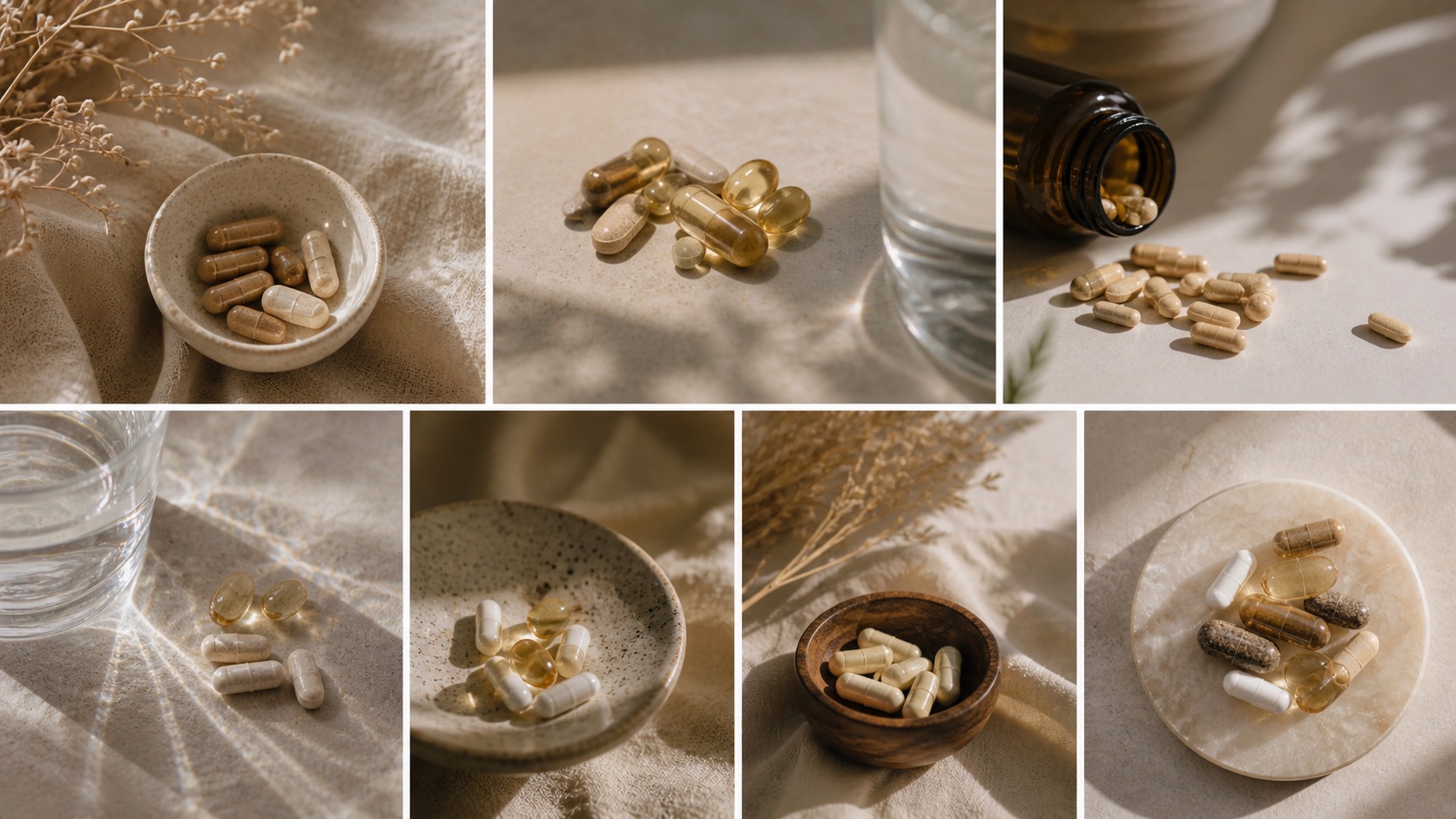

Choosing a prenatal vitamin is one of the first decisions a new mom makes, and it matters more than the marketing suggests. We compared the most popular brands on choline, methylated folate, DHA, and price.
The prenatal aisle is overwhelming. There are gummies promising "everything you need," subscription boxes promising stage-specific support, and practitioner brands promising the kind of clinical rigour you used to only get from a naturopath. They are not all the same.
Most prenatal vitamins on the market in 2026 still fall short of modern obstetric guidance in two specific ways: they underdose choline, and they use folic acid instead of methylated folate. Both shortcuts matter, and both are easy to fix once you know what to look for. The good news is that there are now a small handful of prenatal brands that get the formulation right. Most cost more than the drugstore version. Most are worth it.
We compared eleven popular prenatal brands across six criteria: form of folate, choline content, DHA inclusion, iron type, third-party testing, and cost per day. The winners are below, sorted by the kind of person they are right for.
Before the picks, the things that actually matter.
What to look for in a prenatal vitamin
Methylated folate, not folic acid. Folic acid is the synthetic form found in most cheap prenatals. Roughly 30 to 40 percent of women carry a variant of the MTHFR gene that makes it harder to convert folic acid into the active form your body actually needs. Methylated folate (also listed as L-5-MTHF, methylfolate, or Quatrefolic) is the bioavailable version. Look for it on the label. If you do not know your MTHFR status, the safer default is the methylated form.
Choline. This is the most underdosed nutrient in mainstream prenatals. The recommendation for pregnant women is 450 mg per day, and during lactation it rises to 550 mg. Most drugstore prenatals contain zero. Choline supports fetal brain development and is now considered as important as folate by major obstetric bodies. If your prenatal has under 100 mg of choline, you will need to supplement separately or switch.
DHA. DHA is the omega-3 fatty acid that supports fetal brain and eye development. The recommendation is 200 to 300 mg daily. Some prenatals include it. Most do not, which means you will need a separate fish oil or algae-based DHA supplement.
Iron, and what kind. Iron requirements double during pregnancy. Look for iron bisglycinate (also called ferrous bisglycinate) instead of ferrous sulfate. Bisglycinate is gentler on the stomach and far less likely to cause the constipation that already plagues most pregnant women. About 27 mg of iron per day is the standard target.
Iodine, B12, and vitamin D. All three should be present. Iodine supports thyroid function, which is critical during pregnancy. B12 should be in the methylcobalamin form, not cyanocobalamin. Vitamin D should be at least 1000 IU.
Third-party testing. Look for NSF, USP, or Informed Choice certification on the bottle. This is the only way to verify what is actually in your vitamin matches the label.
Our picks at a glance
| Category | Our pick | Choline | |
|---|---|---|---|
| 01 | Best Overall | FullWell Prenatal | 600 mg |
| 02 | Best Subscription Brand | Ritual Essential Prenatal | 55 mg |
| 03 | Best Stage-Specific | Perelel | ~165 mg |
| 04 | Best Drugstore | Nature Made Prenatal Multi + DHA | None |
| 05 | Best Gummy | SmartyPants Prenatal | Low |
| 06 | Best for Sensitive Stomachs | Needed Prenatal Multi | 400 mg |
| 07 | Best Practitioner-Grade | Thorne Basic Prenatal | None |
| 08 | Best Whole-Food & Organic | Garden of Life mykind Organics Prenatal | Low |
| 09 | Best Postnatal | Perelel Mama Postnatal | High |
The picks, in detail
Best Overall: FullWell Prenatal
FullWell consistently ranks at the top of dietitian and OB recommendations, and the formulation is the reason. It contains 600 mg of choline, which is more than any other widely available prenatal, and it uses methylated folate at the right dose. Iron is in the bisglycinate form. Vitamin D is at 4000 IU. The formula was developed by a registered dietitian who specialises in fertility nutrition.
The one trade-off is the pill count. You take eight capsules per day, which can be split between morning and evening. This is actually a feature rather than a bug, since spacing supplements throughout the day improves absorption and reduces nausea. It also means one bottle lasts only a month. DHA is sold separately, which feels like a downside until you realise that DHA is unstable when combined with other vitamins and is genuinely best stored on its own.
Pros highest choline on the market, methylated folate, gentle iron, dietitian-formulated. Cons eight pills daily, expensive at $50 per month, DHA sold separately. Best for the mom who wants the most thorough formulation regardless of price or pill count.
Best Subscription Brand: Ritual Essential Prenatal
Ritual is the most-purchased prenatal among women in their 30s, and there is a reason for that. The bottle is beautiful. The branding is excellent. The formulation is solid, though not the most comprehensive on this list. Ritual uses methylated folate, includes 350 mg of DHA in the same capsule (which is rare and convenient), and uses chelated iron. The ingredients are traceable to source, and the company is BCorp-certified. Two capsules per day, taken with or without food, with a built-in mint flavour designed to help with first-trimester nausea.
The downside is choline. Ritual contains 55 mg, which is well below the 450 mg target. You will need to supplement separately. The brand does not hide this on the label, but it is worth knowing.
Pros methylated folate, DHA included, gentle iron, two pills daily, traceable ingredients. Cons low choline (55 mg), expensive at $39 per month. Best for the mom who wants a clean, modern, easy-to-take prenatal and is willing to add choline separately.
Best Stage-Specific: Perelel
Perelel takes a different approach. Instead of one formula for all of pregnancy, they offer four separate blends for the first trimester, second trimester, third trimester, and postpartum. Each is calibrated to what your body actually needs at that stage. The first-trimester pack includes ginger and B6 to help with nausea. The second-trimester pack adds more iron. The postpartum blend supports breastfeeding and recovery.
The formulations include methylated folate, choline (around 165 mg, which is decent though still below target), and DHA. Iron is bisglycinate. Three to four pills per day, depending on the stage.
Pros stage-specific blends, methylated folate, gentle iron, DHA included, ginger and B6 in first trimester. Cons moderate choline (165 mg), not the cheapest at $48 per month. Best for the mom who wants nutritional support tailored to where she is in pregnancy.
Best Drugstore: Nature Made Prenatal Multi + DHA
Nature Made is the most affordable option that still meets the basics. It is USP-verified, includes 200 mg of DHA in a separate softgel, and provides the standard 800 mcg of folate. The folate is folic acid rather than methylated folate. Choline is not included. Iron is ferrous fumarate, which is acceptable but harder on the stomach than bisglycinate.
This is the prenatal to take if you are pregnant unexpectedly and need to start something today. It will get the basics done. You can upgrade to a more complete formula at your first OB appointment, but Nature Made is significantly better than nothing.
Pros USP-verified, includes DHA, available at every drugstore, affordable at $20 per month. Cons folic acid (not methylated), no choline, basic iron form. Best for the mom on a budget, or the mom who needs a prenatal in her cart at CVS today.
Best Gummy: SmartyPants Prenatal
SmartyPants is the rare gummy that does not skimp on the formulation. It uses methylated folate, includes 50 mg of DHA, and contains B12 in the methylcobalamin form. Four gummies per day.
The downside is what gummies cannot contain. Iron and calcium do not fit well in a gummy format and are typically omitted or under-dosed. SmartyPants follows this rule. There is no iron in the formula. This is a meaningful gap during pregnancy, when iron requirements double. If you take SmartyPants, you will need an iron supplement separately, or be confident your diet covers it through red meat, leafy greens, and beans.
Pros methylated folate, DHA included, no synthetic colours, easy to swallow. Cons no iron, no calcium, low choline, four gummies per day. Best for the mom who genuinely cannot swallow capsules and is willing to supplement iron separately.
Best for Sensitive Stomachs: Needed Prenatal Multi
Needed is a more recent entrant in the prenatal space and has become a favourite among women dealing with severe first-trimester nausea. The Prenatal Multi can be taken at any time of day in any combination, including with food, on an empty stomach, or split into single capsules across multiple meals. This flexibility matters when you cannot keep anything down.
The formulation is excellent: 400 mg of choline, methylated folate, gentle iron bisglycinate, and methylcobalamin B12. DHA is sold as a separate Omega 3 product. The pill count is high (eight capsules per day), and the price is high (around $60 per month). For women who cannot tolerate Ritual or FullWell during the first trimester, Needed is often the prenatal that finally works.
Pros flexible dosing, very high choline, methylated folate, gentle iron, designed for first-trimester nausea. Cons eight pills per day, expensive, DHA sold separately. Best for the mom whose first-trimester nausea has made everything else impossible.
Best Practitioner-Grade: Thorne Basic Prenatal
Thorne is the supplement brand most often used and recommended by integrative MDs, naturopaths, and the U.S. Olympic Committee. The Basic Prenatal includes 1 mg of methylated folate, 25 mg of iron in the bisglycinate form, and full B-complex support.
Choline is not included in the Basic Prenatal, which is a notable gap. Thorne sells a separate Phosphatidyl Choline product that pairs well with this prenatal. DHA is also separate. Three capsules per day. NSF Certified for Sport. The brand is known for clinical rigour and is the prenatal most likely to be sold at a fertility clinic.
Pros clinical-grade formulation, NSF certified, methylated folate, gentle iron, used by practitioners. Cons no choline included, DHA separate, less consumer-friendly branding. Best for the mom who values clinical credibility and is willing to assemble a multi-product regimen.
Best Whole-Food & Organic: Garden of Life mykind Organics Prenatal
Garden of Life makes the only USDA Certified Organic, Non-GMO, vegan prenatal on this list. It is whole-food based, meaning the vitamins are sourced from real food (kale, broccoli, lemons, apples) rather than synthesised in a lab.
This makes it gentler on the stomach for many women. It also means the doses of certain nutrients are slightly lower, since the company prioritises form over potency. Folate is methylated. Iron is included at 8 mg, which is low and may need supplementation alongside food sources.
Pros USDA Organic, vegan, whole-food, methylated folate, gentle on the stomach. Cons lower iron, lower choline, higher price for whole-food formulation. Best for the mom who prioritises whole-food and organic certification, particularly those with sensitive stomachs.
Best Postnatal: Perelel Mama Postnatal
Most prenatal companies stop at delivery. Perelel does not. The Mama Postnatal is formulated specifically for the breastfeeding period and the long postpartum recovery, with extra B vitamins for energy, iron to replace what was lost in delivery, and choline at higher doses to support breastfeeding.
This is the prenatal that becomes a postnatal at week one postpartum. If you have been on Perelel through pregnancy, the transition is seamless. If you have been on another brand, this is the postnatal worth switching to once your baby arrives.
Pros formulated for postpartum, supports breastfeeding, continues the same routine. Cons subscription model, three to four pills per day. Best for the new mom who wants nutritional support tailored to recovery and breastfeeding.
How we tested
We compared eleven popular prenatal vitamin brands across six criteria: form of folate, choline content, DHA inclusion, iron type, third-party testing, and cost per day. Where the formulations were close, we relied on input from registered dietitians, practising OBs, and women who had used the products through one or more pregnancies.
We did not weigh marketing or branding. We did not factor in subscription convenience. The goal was to identify the prenatals that, by composition, give your baby and your body the most support during the most demanding nutritional season of your life.
When to start taking a prenatal
Ideally, start at least three months before trying to conceive. The neural tube forms in the first 28 days of pregnancy, often before a woman knows she is pregnant, and folate is critical during that window. If you are already pregnant and have not started, begin today.
When to talk to your doctor
Always confirm your prenatal choice with your OB or midwife at your first appointment. They may run blood work to check iron, vitamin D, and B12 levels, then adjust your supplementation based on what your body actually needs. Pregnant women with anaemia, thyroid conditions, or specific dietary patterns may need additional supplementation that no off-the-shelf prenatal will cover.
The bottom line
If budget is no concern, take FullWell. If you want the cleanest, simplest modern prenatal and are willing to add choline separately, take Ritual. If you want stage-specific support, take Perelel. If you are dealing with severe first-trimester nausea, switch to Needed.
The best prenatal vitamin is the one you will actually take,
every day, for nine months.
Pick the one whose pill count, taste, and price you can live with, and start today.
Frequently asked questions
What should I look for in a prenatal vitamin?
The five things that matter most: methylated folate rather than folic acid, at least 100 mg of choline (450 mg per day is the full target), 200–300 mg of DHA, gentle iron in the bisglycinate form, and third-party certification from NSF, USP, or Informed Choice. Iodine, methylcobalamin B12, and at least 1000 IU of vitamin D should also be present.
What is the best overall prenatal vitamin?
FullWell Prenatal ranks at the top for formulation: 600 mg of choline (the highest on the market), methylated folate at the right dose, gentle iron bisglycinate, and 4000 IU of vitamin D. The trade-offs are eight capsules per day, a $50 monthly cost, and DHA sold separately.
Why is choline important in a prenatal vitamin?
Choline supports fetal brain development and is now considered as important as folate by major obstetric bodies. The recommendation is 450 mg per day during pregnancy and 550 mg during lactation. Most drugstore prenatals contain zero, so if your prenatal has under 100 mg of choline you will need to supplement separately or switch.
Folic acid or methylated folate — which is better?
Methylated folate (also listed as L-5-MTHF, methylfolate, or Quatrefolic) is the bioavailable, active form. Roughly 30 to 40 percent of women carry an MTHFR gene variant that makes it harder to convert synthetic folic acid into the form the body uses. If you do not know your MTHFR status, the safer default is the methylated form.
When should I start taking a prenatal vitamin?
Ideally, at least three months before trying to conceive. The neural tube forms in the first 28 days of pregnancy, often before a woman knows she is pregnant, and folate is critical during that window. If you are already pregnant and have not started, begin today.