

The day I came home from the hospital, I owned approximately 90 percent of the wrong things.
I had a beautiful nursing chair I sat in twice. I had a $200 pump bra that did not fit. I had four newborn outfits I never put on the baby, three of which the baby was already too big for by the time we left the hospital. I had no peri bottle. I had no high-waisted underwear. I had one bra in the entire house that I could actually wear, and it was a bralette I had bought in 2019 because it was on sale.
What I was missing, on day one, was almost everything that mattered. What I had bought, in nine months of "preparation," was almost entirely cosmetic.
This is the article I wish someone had handed me at 36 weeks. Not a registry list. Not a roundup of cute matching pajama sets. The real, unflinching truth about what a postpartum mom actually needs in the first twelve weeks — the clothing, the recovery products, the small acts of self-care that you will not have the energy to assemble at 2 a.m. on day three. The items that are worth their price. The ones that are not. And the things every list will try to sell you that you do not need at all.
The truth about postpartum shopping
Most postpartum shopping lists are written backwards. They start with what brands want to sell you and work outward. The actual list of postpartum essentials starts with what your body is doing, and works toward the products that support it.
Your body in the first twelve weeks is healing from a medical event. You are bleeding for four to six weeks. Your milk is coming in — and possibly going out — on its own schedule. Your hormones are crashing and recalibrating. You are sweating through every set of sheets you own. Your perineum, your incision, or both, are healing. Your hair is about to start falling out. Your feet may have changed size permanently.
The right postpartum essentials are the ones that meet your body where it is, not the ones that match your nursery. The right items in the right places at the right time will, genuinely, save you.
Pretty does not matter for the first twelve weeks.
Function does. Comfort does.
Here is the list, organized by category, with notes on what is worth the money and what is not.
Postpartum recovery: the non-negotiables
These are the items that show up on every experienced postpartum doula's list, every lactation consultant's recommendation, and every honest list written by women who have been through it. If you buy nothing else from this article, buy these.
- Frida Mom Postpartum Recovery Kit. This single kit replaces ten things you would otherwise have to assemble yourself: the angled peri bottle, the perineal ice maxi pads, the disposable mesh underwear, and the cooling pad liners. Every postpartum nurse will tell you the kit is genuinely better than what the hospital provides. Worth the price. Buy two.
- Witch hazel pads (Tucks). Stack them on top of your maxi pad. The cooling, astringent effect is immediate. Non-negotiable for vaginal birth recovery. Cheap, and available at every drugstore.
- Heavy maxi pads — overnight, with wings. Always Infinity Overnight, or Rael Organic Cotton if you prefer to skip synthetic fragrances. Buy at least two large packs before you go into labour. You will use both.
- Stool softener (Colace). I will say this gently and then move on: take it. Your future self is begging you.
- Hemorrhoid cream (Preparation H). Common, rarely discussed, and often more useful than the hemorrhoid pads. Both can be lifesaving.
- A heating pad or instant heat patches. ThermaCare menstrual heat patches stick to your underwear and last 8 hours. Your uterus contracts back down to size for days, especially while nursing. The cramping is real.
- Nipple cream. Earth Mama Organic Nipple Butter is the one most lactation consultants recommend, because it does not need to be wiped before nursing. Lansinoh is the classic. Your nipples will be raw by day two of breastfeeding, even if you are doing it correctly. This is normal. Cream helps.
- Silver nursing cups (Silverette). A splurge that is genuinely worth it for cracked nipples. They speed up healing and are reusable. The cost is around $80, and they last for the entire duration of breastfeeding.
- Cooling breast pads. Not the same as nursing pads. These are gel pads you keep in the freezer and use to soothe engorgement. Lansinoh Therapearl is the most-recommended.
- Reusable or single-use nursing pads. Bamboobies reusable pads or Lansinoh disposables, for the leaking that will happen unpredictably for weeks.
Postpartum clothing: what you'll actually wear
For the first twelve weeks, you will live in roughly four outfits on rotation. Stock them now.
- Five pairs of high-waisted, full-coverage underwear. Black, two sizes larger than your usual. The hospital will give you mesh disposable underwear that work fine, but most women want their own by day two. Bodily makes the cult-favourite postpartum pair, designed specifically for this season. Hanky Panky high-rise briefs are softer and lacier if you want a less utilitarian option. For c-section recovery, the waistband must sit above the incision — Bodily passes that test.
- Two soft nursing or sleep bras. No underwire. Kindred Bravely's Simply Sublime is the most-recommended one for the first twelve weeks: soft, no clasps to fight with at 3 a.m., wide straps that do not dig into engorged breasts. You will wear these around the clock.
- Two button-down or zip-front sleep tops. Lake Pajamas and Latched Mama both make beautiful nursing-friendly versions. You cannot lift a t-shirt over your head when you are in the kind of pain that comes with engorgement, a c-section, or both. Front-opening tops are not optional.
- Two pairs of loose, wide-leg pajama pants or joggers. Black or dark, with no buttons and no tight elastic. Drawstrings only. Hatch Maternity Joggers work through the entire fourth trimester because they fit through pregnancy and after.
- A robe that opens at the front. Velour or cotton, not silk. Easy to nurse in, warm enough for the postpartum chills, dark enough to hide everything. Buy two if you can — one stays by the bed, one goes in the laundry on rotation.
- Wool or thick cotton socks. Hospitals are cold. Your circulation is shot. This is a small joy.
- A pair of slippers with grip. Bombas Gripper Slipper Socks work for the hospital and for the first weeks at home. Hospital floors are cold, and you will be walking laps to move things along.
- Maternity leggings, for going out around week 6 to 8. Yes, still maternity. Spanx Mama maternity leggings fit through the entire fourth trimester, because your belly will not be the size you expect for at least six weeks, and often longer. A long cardigan, a soft tee, maternity leggings. That is the uniform.
The bedside recovery cart
This is the most underrated postpartum essential, because it is not a single product. It is a system.
Build a small rolling cart or a basket that lives next to your bed for the first four to six weeks, stocked with the things you need within arm's reach when you cannot get out of bed. Most women who do this report that it was the single best decision they made in their fourth trimester preparation.
What goes on it:
- The Frida Mom kit — peri bottle, ice pads, witch hazel pads
- Backup overnight pads
- Backup high-waisted underwear, rotated from the clean basket
- Nipple cream
- A burp cloth or two
- A water bottle with a straw, kept full
- One-handed snacks — granola bars, trail mix, dried fruit, nuts, cheese sticks
- A phone charger with a long cable
- Tissues
- Lip balm
- A book or two, even if you do not read them
- A small night light or Hatch Rest, so you do not have to turn on overhead lights at 3 a.m.
The bedside cart is the difference between healing and suffering during the weeks when getting out of bed is genuinely difficult. Build it before you go into labour.
Feeding essentials
If you are breastfeeding, pumping, formula-feeding, or some combination of all three, the products that matter are different. Here is what is worth buying across all three paths.
- A nursing pillow. Boppy is the classic. My Brest Friend is firmer and more supportive, which c-section moms tend to prefer because it protects the incision during feeds. Pick one. Use it from day one.
- A water bottle with a straw. Breastfeeding thirst hits like a freight train. Most women find they cannot drink enough water without a large insulated bottle within arm's reach at all times. Stanley Quencher and Owala FreeSip are both popular. You will use it constantly.
- A breast pump. Most insurance plans cover a basic electric pump — call your provider and ask. If you want a wearable hands-free pump, Elvie and Willow are the two leading brands. They are expensive (around $500) but transformative for women returning to work or wanting to nurse outside the home. The Spectra S1 is the workhorse hospital-grade pump that most lactation consultants recommend if you are pumping at home.
- Storage bags and bottles. Lansinoh storage bags for frozen milk. Dr. Brown's bottles are the most reliable for breastfed babies who occasionally take a bottle.
- Lactation support. A bag of Mrs. Patel's Fenugreek Bars, Boobie Bars, or simply a stash of oatmeal in the kitchen. Most lactation snacks are slightly silly, but they are also satisfying when you are constantly hungry, and the social ritual of eating them helps with the isolation.
- For formula feeding: the Baby Brezza Formula Pro is the dishwasher of formula prep. Expensive, but transformative for parents formula-feeding around the clock.
Mental health essentials
These are not products. They are appointments and tools. They are also the most important essentials on this list.
- A therapist who specializes in perinatal mental health. Postpartum Support International maintains a directory. Many take insurance. Many also do telehealth, which is the only kind of therapy you will be able to attend in the first twelve weeks. Book a first appointment for around week 4. Even if you do not "need" it. Especially if you do not "need" it.
- A pelvic floor physiotherapist. Book a first appointment for around week 6. This is non-negotiable. The work you do with a pelvic floor PT in months three through six prevents urinary incontinence, prolapse, and chronic pain that would otherwise become your default.
- A postpartum doula or night nurse. DONA International has a search tool by ZIP code. If a full doula is out of budget, even one or two nights a week of overnight support can be transformative.
- A lactation consultant (IBCLC). Find one in your area now, before you need one at 11 p.m. on day four. Most insurance plans cover a few visits.
- A book that tells the truth. What No One Tells You: A Guide to Your Emotions From Pregnancy to Motherhood, by Alexandra Sacks and Catherine Birndorf, is the one most therapists recommend. The Fourth Trimester, by Kimberly Ann Johnson, is the other.
- A meal-delivery service or a MealTrain. Mosaic Foods, Daily Harvest, or a MealTrain where friends can sign up to drop off dinners. The kitchen needs to be a non-issue for at least six weeks.
Toiletries and self-care
Small things. Big difference.
- Your own shampoo, conditioner, and body wash. The first shower after birth is a sacrament. Do not ruin it with hospital soap.
- Dry shampoo for day two. Batiste, or Living Proof Perfect Hair Day.
- A real toothbrush, toothpaste, deodorant, and a hairbrush.
- Travel-size moisturizer and lip balm. Aquaphor is essential — hospital air is dry, and your lips will crack.
- Fragrance-free face wash and a basic moisturizer. Hormonal acne arrives around week 6 to 8 for many women.
- Hair ties. So many hair ties. They disappear in the first two weeks.
- A peri bottle backup. The Frida one is the gold standard, but a second cheap one is useful.
- A hand mirror. Not for vanity — to assess what is healing below.
Postnatal nutrition
The prenatal vitamin you took during pregnancy is no longer the right one for postpartum. Switch within the first two weeks.
- A postnatal multivitamin. Perelel Mama Postnatal is formulated specifically for the breastfeeding period and recovery. FullWell Postnatal is the most comprehensive. Ritual Postnatal is the cleanest, if you are willing to add choline separately.
- Iron supplementation, if needed. Many women lose enough blood during delivery to become iron-deficient. Ask your OB to check at your six-week visit. Floradix is the gentlest iron supplement and is well-tolerated postpartum.
- Electrolytes. Liquid I.V. or LMNT, for the breastfeeding thirst that plain water cannot keep up with.
- A protein powder formulated for postpartum. Needed Pre/Postnatal Collagen Protein, or Ritual Essential Protein for Pregnancy and Postpartum, are formulated for this season specifically.
What you do not need
This is the part most postpartum lists skip. Here is what is heavily marketed and rarely useful.
- Designer pumping bras. A basic hands-free pumping bra works fine. Simple Wishes is $30 and does the job.
- A "nursing wardrobe." Most regular t-shirts and front-buttoning tops work. You do not need a closet full of dedicated nursing clothes.
- A postpartum "bounce-back" anything. Waist trainers, belly wraps, "snap-back" creams, postpartum corsets — these are mostly marketing. The exception is a simple medical-grade abdominal binder for c-section recovery, if your OB recommends one.
- Multiple bassinets. One in your room is plenty.
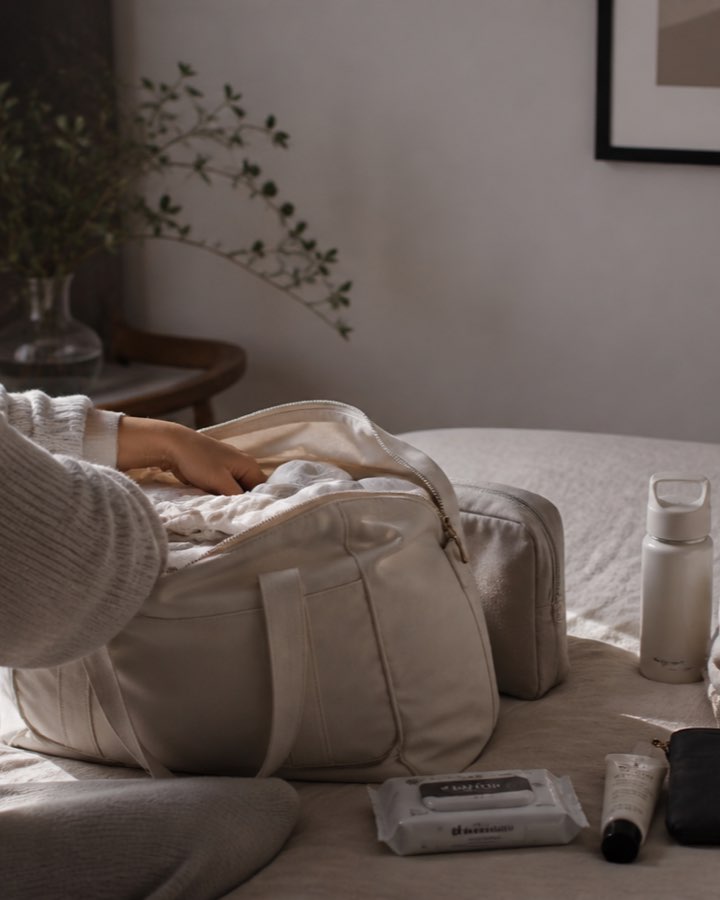
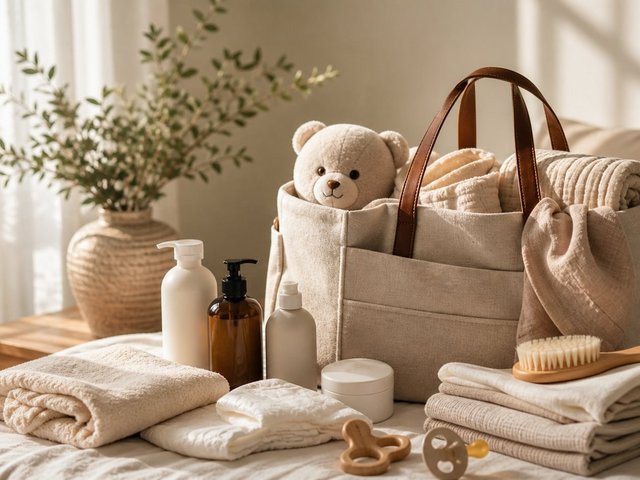
- A separate diaper bag for mom. Use whatever bag you have. The baby's diapers fit into whatever you carry already.
- An expensive postpartum robe set. A simple black robe from anywhere works.
- Most "postpartum recovery teas." The medical evidence is thin. A hydrating drink is fine. A miracle is not.
- Specialty postpartum sheets. Regular sheets, a waterproof mattress protector, and a backup set are all you need.
- A separate "milk station" gadget. A drawer with your supplies works fine.
- A baby food maker. You are months away from this. Buy it later, if at all.
A complete shopping list, ranked by priority
For the mom who wants a single buy-in-this-order list.
Buy first — before week 36
- Frida Mom Postpartum Recovery Kit (×2)
- Five pairs of Bodily or similar high-waisted underwear
- Two Kindred Bravely Simply Sublime nursing bras
- Two front-opening pajama tops
- Two pairs of loose, dark joggers
- One front-opening robe
- Earth Mama Nipple Butter
- Stool softener and hemorrhoid cream
- Heavy overnight maxi pads — two large packs
- A water bottle with a straw
Buy second — week 37 to 39
- Bedside recovery cart and basket
- Boppy or My Brest Friend nursing pillow
- Tucks witch hazel pads
- Backup peri bottle
- Cooling breast pads
- Postnatal vitamin — start at week 1 postpartum
- Heating pad or ThermaCare patches
- Bombas Gripper Slipper Socks
- Spanx Mama leggings, for around week 6 onward
Book before delivery
- Pelvic floor PT — first appointment for week 6
- Perinatal mental health therapist — for week 4
- IBCLC contact saved in your phone
- Postpartum doula or night nurse, if budget allows
- MealTrain or meal-delivery service set up
The bottom line
The truth about postpartum essentials is that the things that actually matter are not glamorous. They are not what gets photographed for Instagram. They are not what brands push hardest in their pregnancy email funnels.
They are the high-waisted underwear, the peri bottle within arm's reach, the front-opening robe, the heating pad on your lap at 2 a.m., the soft bra you can sleep in, the water bottle that is always full, the therapist's number saved in your phone. They are the small, unglamorous tools that meet your body where it is during the most demanding stretch of your life.
Buy them. Pre-position them. Let them do the work.
The fourth trimester is hard enough. Everything that can be made easier with the right item in the right place at the right time, should be.
Welcome to the becoming. Pack accordingly.
This article is for general informational purposes and reflects the experience of Momé editors and the parents we interviewed. It is not medical advice. For specific questions about your postpartum recovery, please consult your OB, midwife, or family doctor. Some product mentions may include affiliate links.