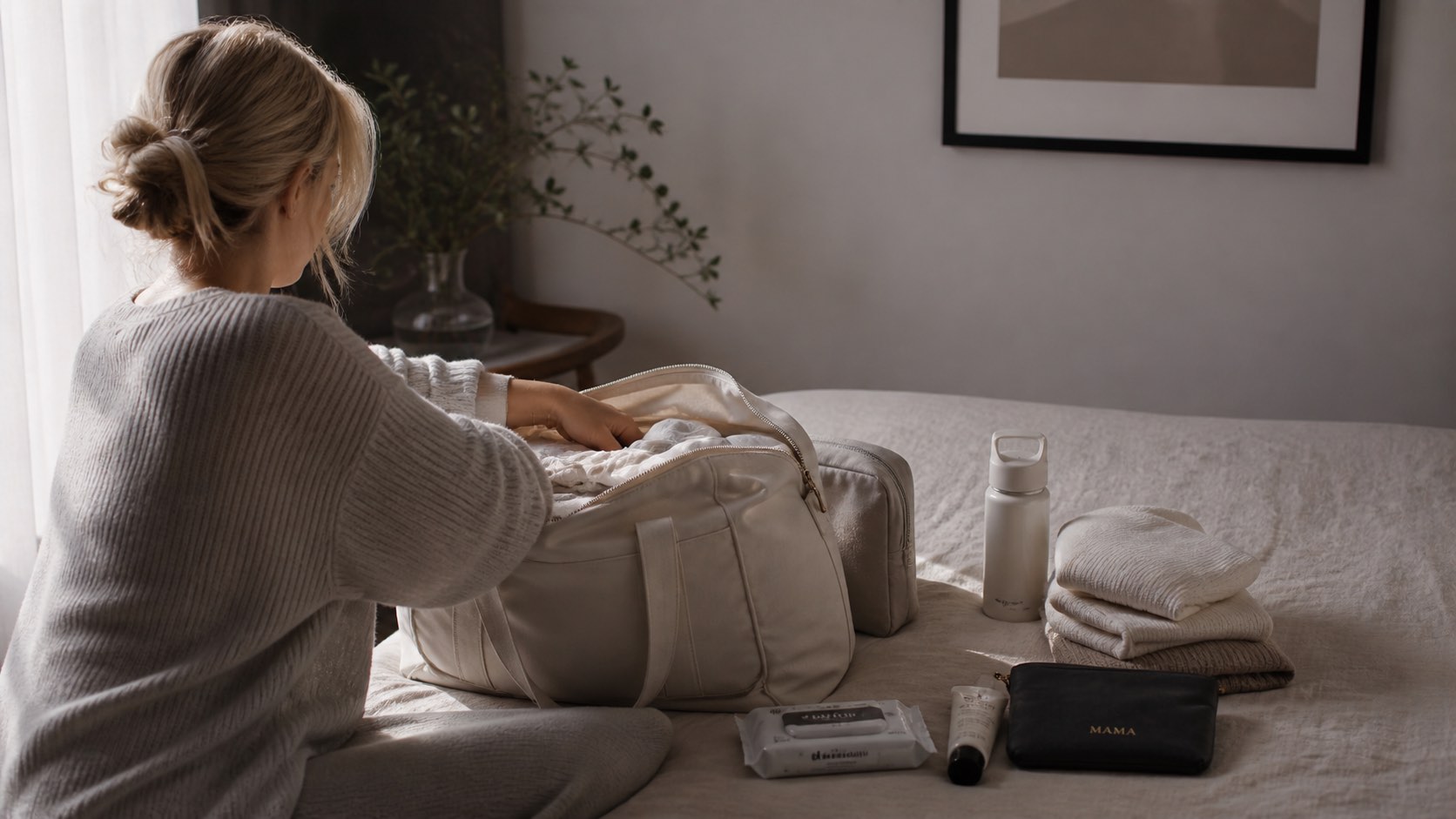

At 38 weeks, I packed my hospital bag three times.
The first version weighed forty pounds and contained, I kid you not, a battery-operated candle, a yoga ball, three books I had no intention of reading, and a pair of Lululemon Aligns that never came out of the duffel. The second was a panicked overcorrection two weeks later: a diaper, a phone charger, and the granola bar I'd been holding when the contractions started. The third — the one that actually came with me at 4 a.m. on a Tuesday in April — was the version I'd built after asking nine women, two doulas, and one extremely patient labour-and-delivery nurse what they actually used.
This is that list.
If you're scrolling this at thirty-something weeks with a half-empty bag at your feet, here's the thing nobody tells you on the registry sites: you are not packing for the birth. You're packing for the three days after — when you'll be sore, leaking, exhausted, learning how to breastfeed in a hospital gown that ties at the back, and trying to find the one thing in your bag that makes you feel like a person again. Pack for that version of you.
Here's the real hospital bag checklist: the things you'll actually use, the ones you can leave at home, and the postpartum essentials nobody warns you about.
When to pack your hospital bag
Have it zipped, sitting by the door, by 36 weeks. Not in the closet. Not "mostly done." By the door.
Roughly 1 in 10 babies arrives before 37 weeks, and even full-term babies don't follow your calendar. You don't want to be hunting for your toothbrush at 3 a.m. while your partner times contractions on a phone that's at 12 percent.
A pro tip from a labour nurse I interviewed: pack two bags. A small one for the labour room with the things you'll want during delivery, and a larger one your partner can grab from the car once you're moved to the postpartum ward. Hospitals shuffle you between rooms more than you'd expect, and one giant duffel becomes a logistical nightmare. A Béis Weekender or a soft-sided Calpak duffel both work — anything you can sling over a shoulder while carrying a car seat.
What to pack: the labour & delivery bag
This is the small one — the bag that comes into the room with you while you're actively in labour.
The non-negotiables
- Government-issued photo ID and your insurance card. The hospital will ask for both at admission. Confirm now that yours hasn't expired.
- Your prenatal records, if your OB or midwife gave you a copy. Most hospitals have your file digitally, but bring it anyway.
- Your birth preferences, printed. One page, bullet points, plain language — not a manifesto. The nurses will read it; they don't have time for an essay.
- Phone, charger, and an extension cord. The outlets in hospital rooms are never near the bed. The extension cord will make you look like a genius to every other patient on the ward.
- A water bottle with a straw — a Stanley Quencher or Owala FreeSip both have flip straws and don't tip. You will be lying on your back. You will be thirsty.
- Lip balm — Aquaphor or the Laneige Lip Sleeping Mask. Hospital air is dry, and labour breathing turns your lips to sandpaper within an hour.
- Hair ties and a soft headband. You will not want hair in your face.
- Slippers or grippy socks — Bombas Gripper Socks are the gold standard. Hospital floors are cold, and you'll be walking laps to move things along.
- A robe that opens at the front, for skin-to-skin and easy nursing access. Black or dark-coloured is smart — birth is messy. The Hatch Labor & Delivery Robe is built for this exact moment, but a soft black robe from anywhere works.
The comfort items that earn their spot
- A small portable speaker — a JBL Clip is small and loud — with a pre-made playlist. Trust me on this. The fluorescent buzz of a hospital room is its own torture.
- An eye mask, if you're someone who needs darkness to relax.
- Massage tools — a tennis ball or a foam roller for counter-pressure. Cheaper than the fancy "doula tools" on TikTok, and just as effective.
- Snacks for your partner. They will be there for hours, and the hospital cafeteria closes earlier than you think.
What to pack for postpartum: the part nobody talks about
Here is the section of every other hospital bag checklist that gets it wrong. They list "going-home outfit" and "nursing bras" like that's the whole story. It is not.
The first 48 hours after birth are physically intense in ways nobody prepares you for. You will bleed for weeks. You will be sore in places you didn't know could be sore. You will feel hot, then freezing, then hot again as your hormones recalibrate. Pack for that.
Clothing that actually works
- Five pairs of high-waisted, full-coverage underwear — black, two sizes larger than your usual. The hospital's mesh disposables work fine, but most women prefer their own by day two. Bodily makes the cult-favourite postpartum pair; Hanky Panky high-rise briefs are a softer, lacier alternative. Cotton, not lace.
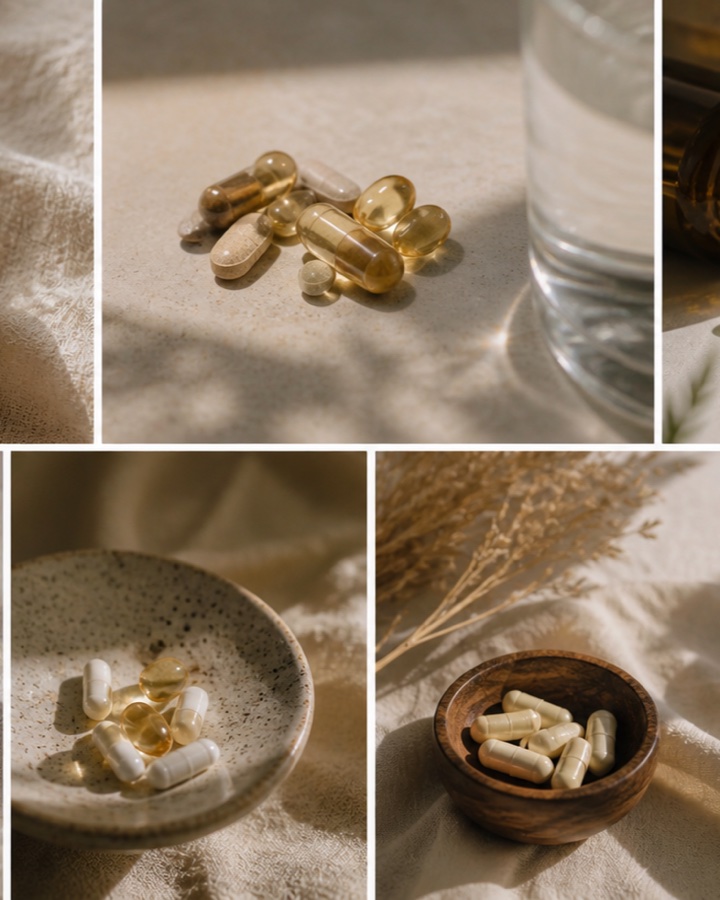
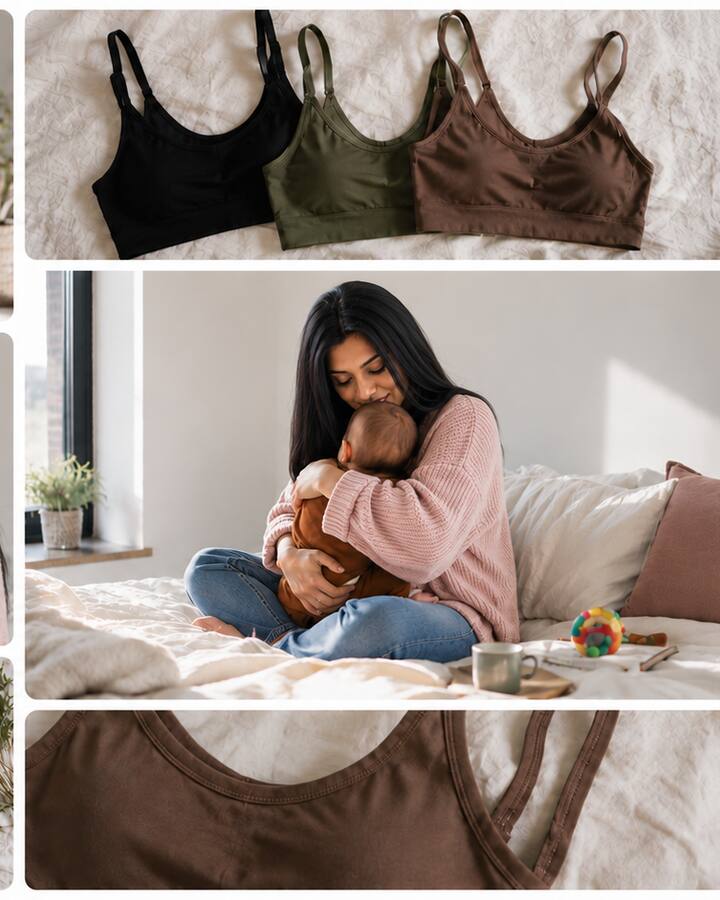
- Two nursing bras or soft sleep bras, no underwire. Kindred Bravely's Simply Sublime is the most-recommended one for hospital wear — soft, no clasps to fight with at 3 a.m. Your milk will come in around day three and your chest will feel like it has its own weather system.
- Two button-down or zip-front sleep tops. Lake Pajamas and Latched Mama both make beautiful nursing-friendly versions. Nursing access without lifting a shirt over your head matters more than you think when you can barely sit up.
- Loose, dark-coloured pyjama pants or joggers. Black hides everything. You will thank me.
- A second robe — one stays in the labour bag, one is for postpartum. Velour or cotton, nothing scratchy.
- Wool socks. Hospitals are cold and your circulation is shot. This is a small joy.
The toiletries that matter
- Your own shampoo, conditioner, body wash, and a fresh face wash. The first shower after birth is a sacrament. Don't ruin it with hospital soap.
- Dry shampoo for day two — Batiste, or Living Proof Perfect Hair Day if you want to feel fancy.
- A real toothbrush, toothpaste, deodorant, and a hairbrush.
- Travel-size moisturizer and lip balm.
- Hair ties — more than you think.
- Glasses and contact lens solution, if you wear them. Your eyes get puffy and contacts may not work for the first few days.
- A hand mirror. Not for vanity — to actually look at and assess what's happening below.
The postpartum recovery essentials — the real MVPs
- A Frida Mom Postpartum Recovery Kit. If you buy nothing else from this list, buy this. It includes the perineal ice maxi pads, the angled peri bottle, the disposable underwear, and the cooling pad liners. Every postpartum nurse will tell you this kit is genuinely better than anything the hospital provides.
- Witch hazel pads (Tucks). Non-negotiable for vaginal birth recovery. Stack them on top of the pad. You'll understand on hour eight.
- Overnight maxi pads with wings — at least one pack as backup. Always Infinity Overnight, or Rael Organic Cotton if you want to skip synthetic fragrances.
- Nipple cream. Earth Mama Organic Nipple Butter is the editor favourite — no need to wipe before nursing — and Lansinoh is the classic. Your nipples will be raw by day two of nursing. This is normal. Cream helps.
- Silver nursing cups (Silverette is the original), if you want to splurge — they speed up healing for cracked nipples.
- A heating pad or instant heat patches. ThermaCare menstrual heat patches are clutch — they stick to your underwear and last 8 hours. Your uterus contracts back down for days, especially while nursing.
- Stool softener (Colace). Just bring it. Your future self is begging you.
What to pack for baby
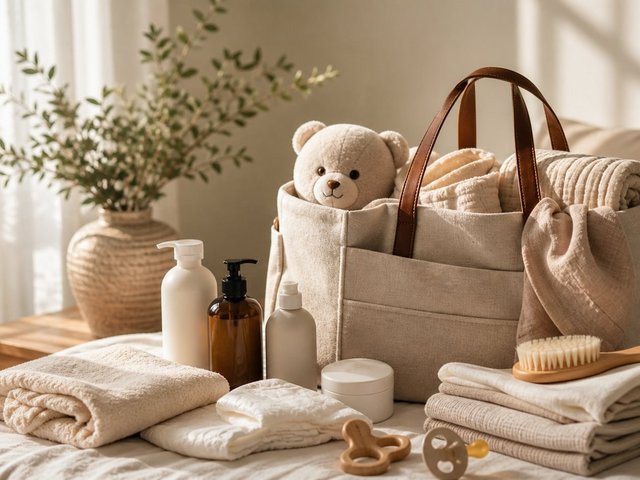
The hospital provides almost everything for baby in the first 48 hours — diapers, wipes, swaddles, a hat, a thermometer. You don't need to overpack.
The minimum
- 2–3 sleepers — zip-front, not snap; you'll be changing them at 3 a.m. one-handed. Kyte Baby, L'ovedbaby, and Hanna Andersson all make zip-front sleepers in soft fabrics.
- 2–3 swaddles. Aden + Anais muslin swaddles are the classic and photograph beautifully; the Halo SleepSack Swaddle is a Velcro-style option for parents who can't get the burrito wrap right (no shame — it's hard).
- A going-home outfit, one size up from newborn — newborn fits some babies for about ten minutes. Pack two sizes if you're not sure how big baby will be.
- A weather-appropriate going-home layer — a knit hat, a fleece bunting in winter, a light cotton sleeper in summer.
- A car seat, properly installed before you go to the hospital. Most hospitals check the install before discharge. The Nuna Pipa, UPPAbaby Mesa, and Britax Willow are the most-reviewed infant seats.
- A small pack of newborn diapers for the ride home. Pampers Swaddlers in size N are the hospital standard for a reason.
- Baby wipes — most parents pack a fragrance-free option for sensitive newborn skin. WaterWipes, Honest Company Sensitive, and Pampers Aqua Pure are the top three.
What you do not need to pack
- Bottles. If you're breastfeeding, you don't need them yet. If you're formula-feeding or supplementing, the hospital provides ready-to-feed bottles.
- Formula. The hospital provides it, and your paediatrician will help you choose one if needed.
- Stuffed animals or blankets for the bassinet. Paediatric guidelines recommend a bare bassinet for newborn sleep — no loose items.
Hospital bag for a c-section: what's different
If you're scheduled for a c-section — or you end up with one unexpectedly, which happens to roughly 1 in 3 first-time moms — your bag needs a few additions.
- High-waisted underwear is non-negotiable. The waistband sits above your incision; anything that hits at the bikini line will rub the scar.
- Loose, drawstring pants — no jeans, no leggings with a tight elastic waist. Hatch Maternity Joggers or oversized sweats are the move.
- A C-Panty or Belly Bandit abdominal binder, if your OB approves it. The hospital will give you a basic binder, but the branded ones offer better support and comfort.
- A nursing pillow — Boppy or My Brest Friend — to protect your incision during feeds. The football hold is your friend.
- Plan for the lower bunk. You won't be able to climb up. The hospital will adjust the bed; plan for that energy at home too.
- More time in the hospital. C-section recovery typically means 3–4 nights instead of 1–2. Pack accordingly.
What to pack for your partner
A small bag of their own. Make them pack it themselves — but check it.
- A change of clothes, or two — labour can be long.
- Toothbrush and deodorant.
- Phone charger.
- Snacks and a refillable water bottle.
- A pillow from home — hospital recliners are punishment.
- A swimsuit, if they're planning to be in the shower or tub with you during labour.
The 8 things to leave at home
This is where most checklists go wrong. You don't need:
- Candles. Most hospitals don't allow open flame. The battery ones are fine, but you won't use them.
- A birthing ball. The hospital has one.
- Multiple outfits per day. You'll wear the same robe for 36 hours. Trust.
- Books. You will not read.
- A pillow with a white pillowcase. Bring one if you must, but use a coloured pillowcase so it doesn't get mixed up with hospital linens.
- Makeup beyond a tinted lip balm. You won't put it on. The first photos are real.
- High-end "going-home outfits" for baby. Something soft and warm beats something photogenic. Babies poop through everything.
- Your laptop. You won't open it.
The going-home outfit (for you)
Wear what you wore to the hospital — or better, pack the loosest, softest thing you own. Maternity leggings or wide-leg sweats, a nursing-friendly top, a long cardigan. Spanx Mama maternity leggings are a popular pick because they fit through pregnancy and postpartum. You will still look about six months pregnant when you leave. This is normal, and it lasts about six weeks. Don't pack jeans. Don't pack anything with a button.
After the hospital: what comes home with you
The bag you leave the hospital with is heavier than the one you arrived with, because they send you home with diapers, pads, peri bottles, and instructions. Take all of it.
Then, the second you walk through your door at home, do exactly three things: take a long shower, eat something warm, and let someone else hold the baby for twenty minutes. The fourth trimester is a marathon, and you've just finished the first kilometre.
The hospital bag is the easy part.
The rest is what we're here for.
This article is for general informational purposes and reflects the experience of Momé editors and the parents we interviewed. It is not medical advice. For questions specific to your pregnancy, please consult your OB, midwife, or family doctor. Some product mentions may include affiliate links.