
There are no words big enough for this. On Thursday, October 15, a shooting at Silver Rail Elementary School in Bend, Oregon, took the lives of three children, ages 5, 8 and 11, and a teacher, according to CBS News. A 7-year-old child and a 54-year-old teacher were taken to hospital in critical condition.
Police say the suspect, a 16-year-old, forced his way into the school and was shot and killed by a bystander before officers arrived. Students and staff were evacuated to a nearby church, where families waited to be reunited with their children. That night, hundreds of people gathered at a vigil in a town park, and Bend-La Pine Schools cancelled classes across the district on Friday.
Oregon Governor Tina Kotek said the bystander “heroically intervened to stop further loss of life,” and the district’s superintendent called it an “unthinkable tragedy.” The victims’ names have not been released.
To the families in Bend: we are holding you close. And to every parent who dropped their child off at school this morning with a heavier heart, we see you.
How to Talk to Your Kids About It
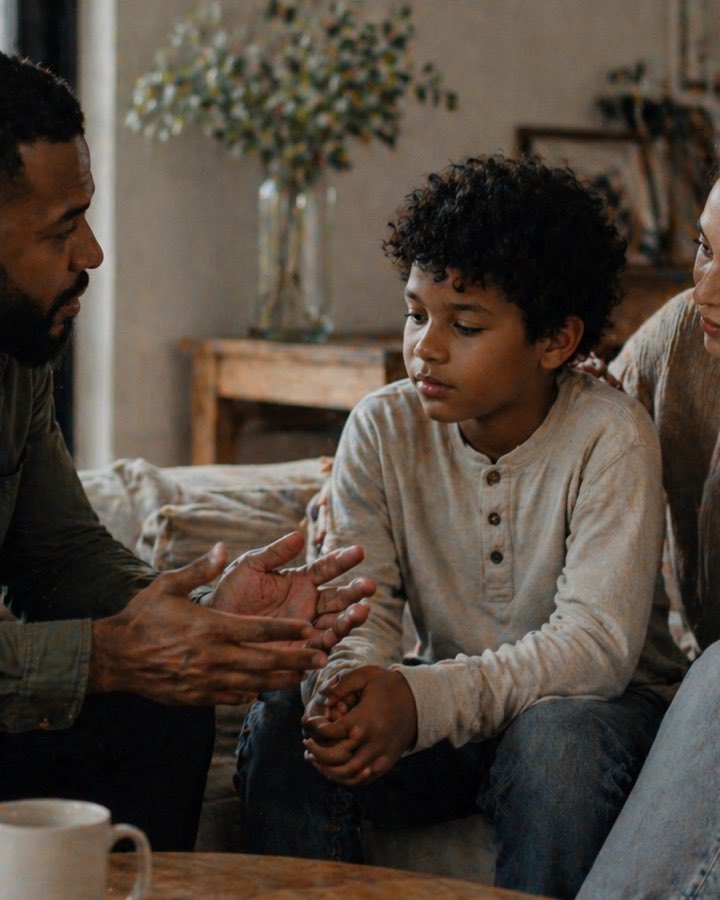
Your kids may hear about this at school, on the bus or from a news alert on someone’s phone, so it helps to get there first. The National Association of School Psychologists offers guidance for parents:
Follow their lead. Let your child set the pace and the depth of the conversation. Younger kids may express their feelings better through drawing or play than through words.
Keep it age-appropriate. According to NASP, “early elementary school children need brief, simple information,” along with reassurance that the adults around them are working to keep them safe. Older kids may ask more direct questions about whether they’re really safe, and teenagers will often have strong opinions about why this happens.
Reassure and validate. Tell them it’s okay to feel scared, sad or confused, and that you’re always there to talk.
Review safety at home and at school. Help your child name at least one trusted adult at school they can go to if they feel worried.
Limit the news. Turn off the TV and be mindful of adult conversations within earshot. Repeated images and details can make kids feel less safe.
Keep routines steady. Regular meals, bedtimes and activities help children feel secure. Watch for changes in sleep, appetite or behaviour, and reach out to a professional if you’re worried.
Take Care of Yourself, Too
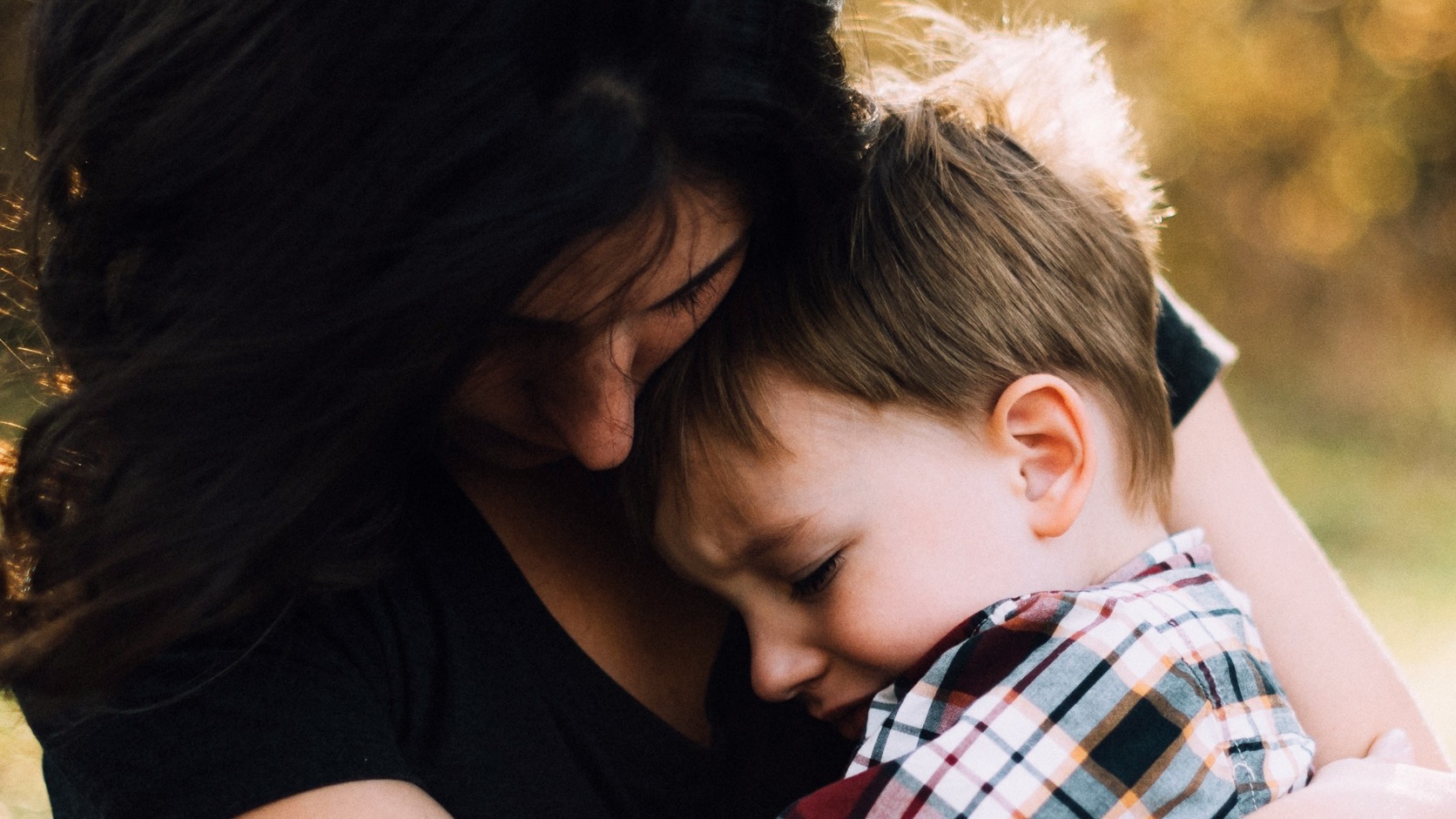
News like this lands in a parent’s body. It’s normal to feel anxious at drop-off, to hold your kids a little tighter or to need a break from the headlines. Talk to someone you trust, step away from your phone, and give yourself the same gentleness you’re giving your children.
If you or your kids need support, help is available:
- In Canada: kids and teens can reach Kids Help Phone 24/7 by calling 1-800-668-6868 or texting CONNECT to 686868.
- In Canada and the U.S.: anyone in crisis can call or text 9-8-8.
Tonight, there are families in Bend facing the unimaginable. However you hold your own children close, may we also hold space for theirs.