
Pregnancy gives you plenty to think about, from prenatal appointments and birth plans to preparing for a new baby. One question many pregnant women may never think to ask is: What is my risk of delivering prematurely?
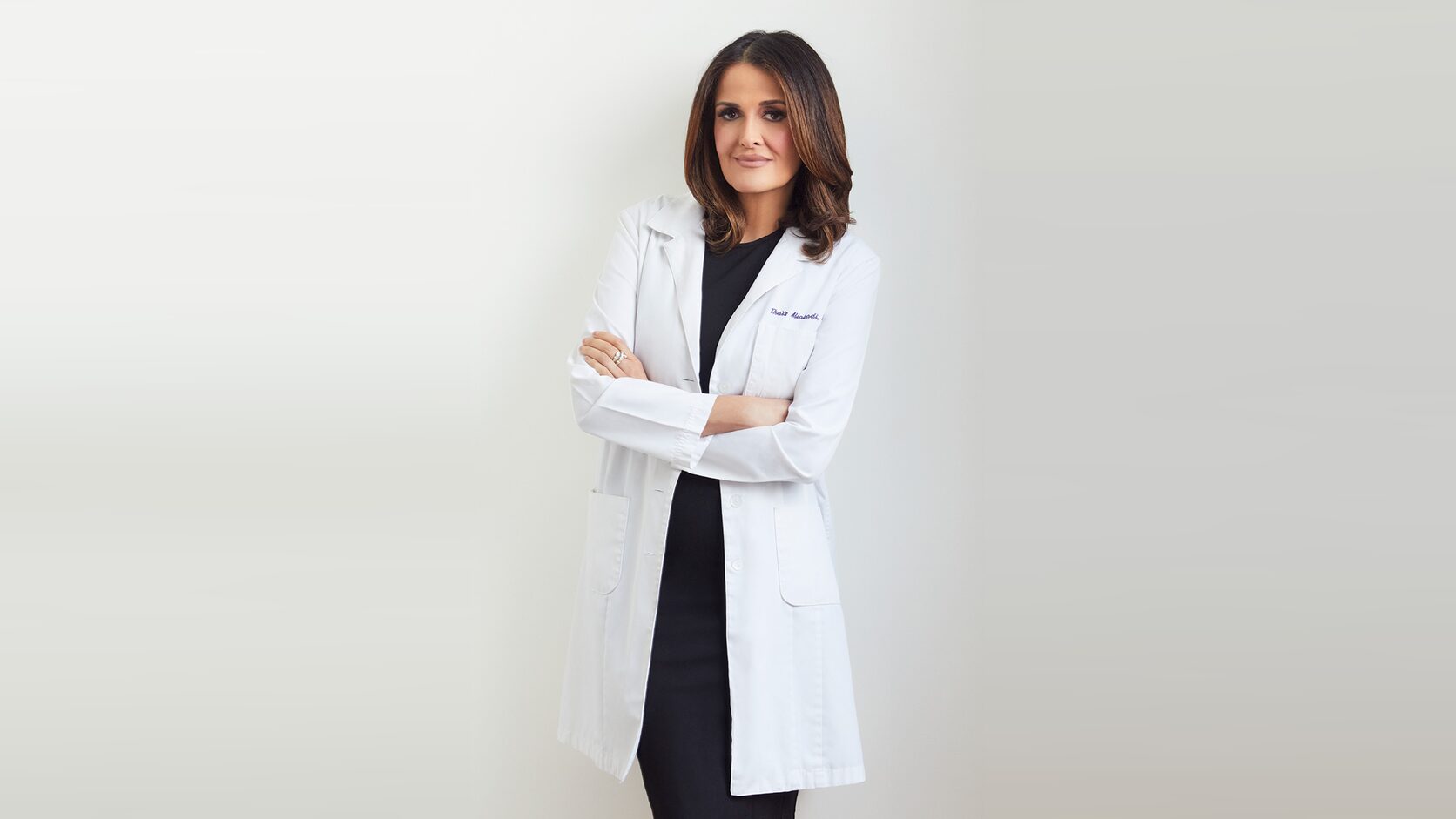
Dr. Thaïs Aliabadi, a board-certified OB-GYN who has spent more than 25 years caring for women, believes that question should become a routine part of prenatal care.
“We don’t talk about preterm birth enough,” Aliabadi says. “We talk to women about genetic testing, anatomy scans, glucose testing, even what stroller they’re buying, but no one has talked to them about one of the most common complications of pregnancy… delivering too early.”
Roughly 1 in 10 babies in the U.S. is born preterm, yet many moms may not know their own risk.
September is NICU Awareness Month, but Aliabadi says the conversation shouldn’t begin once a baby is in the NICU. She wants more of the focus to start during pregnancy, when there may be time to identify risk and adjust care.
“To me, NICU Awareness Month isn’t just about the babies who end up in the NICU,” she says. “It’s also about what we can do during pregnancy to help keep them from getting there.”
What does preterm birth mean?
A birth is considered preterm when a baby is born before 37 weeks of pregnancy. Those last weeks matter. The brain, lungs, liver, and other organs are still developing, which is one reason babies born prematurely may face greater health risks.
Preterm labor happens when labor begins before 37 weeks, but it does not always result in an early delivery. In some cases, doctors can delay labor and give the baby more time to develop.
Preterm birth also doesn’t always mean labor starts unexpectedly. Sometimes doctors need to deliver a baby early because continuing the pregnancy poses a health risk to the mother or baby.
You can take your prenatal vitamins, make every appointment, and have a healthy pregnancy, but it’s still worth talking to your doctor about your risk for delivering early.
A low-risk pregnancy doesn’t mean no risk
Doctors already look for established risk factors for preterm labor, including:
- A previous preterm birth or preterm labor
- Being pregnant with twins, triplets, or more
- A short cervix or certain reproductive organ abnormalities
- Certain infections, including UTIs and some vaginal infections
- High blood pressure or diabetes during pregnancy
- Being underweight or having obesity before pregnancy
- Smoking during pregnancy
While these risk factors may identify a mother likely to deliver early, not everyone who delivers prematurely has a risk factor.
Some women who deliver early are healthy, pregnant for the first time, and have a normal cervical length and an otherwise uneventful pregnancy. “On paper, they look low risk,” Aliabadi says. “That’s what I really want women to understand: low risk does not mean no risk.”
On paper, they look low risk. That’s what I really want women to understand: low risk does not mean no risk.
Preterm birth is complex, and researchers are still working to understand why it happens and how to better identify women who may be at risk before they deliver early.
“I don’t want to have to wait until a woman has had a premature baby to realize she was at risk,” Aliabadi says.
What if doctors could identify risk earlier?
During early pregnancy, doctors can look at known risk factors, but no single test can currently predict who will deliver prematurely. However, Aliabadi believes newer risk-assessment tools may give doctors information they haven’t traditionally had.
“When I say risk may be ‘knowable’ around 21 weeks, I mean that we may be able to identify a woman whose pregnancy looks completely normal but who is actually at increased risk of delivering early,” she says.
The important word there is risk. Learning that you have an increased risk does not mean your baby will be born early. Depending on the circumstances, that could mean closer follow-up, cervical length surveillance, addressing modifiable risk factors, or involving a maternal fetal medicine specialist earlier.
Certain patients may also be candidates for specific medical interventions based on their history and clinical findings.
“The whole point is to turn information into action,” Aliabadi says. “If I know you’re at higher risk, I can care for you as a higher risk pregnancy rather than being falsely reassured because everything looks normal.”
Knowing doesn’t have to mean worrying
Of course, hearing that you’re at higher risk for a pregnancy complication can make you feel anxious. Aliabadi says how that information is delivered matters.
“If you simply tell a pregnant woman, ‘You’re high risk,’ and send her home, of course she’s going to be terrified,” she says.
Instead, she focuses on what happens next. “Now we know. We’re going to watch you more closely, address the things we can address, and we’re going to have a plan.”
That plan can make an emotional difference, too. “For the mother, there is a huge emotional difference between being blindsided and knowing, ‘My doctor knows my risk, she’s watching me, and we have a plan,’” Aliabadi says.
A higher risk result isn’t a prediction of what will happen. It is information that doctors can consider alongside the rest of a patient’s health and pregnancy. As Aliabadi says, “Knowledge is power.”

Where PreTRM fits into the conversation
Aliabadi also points to PreTRM, a blood test that looks for biomarkers linked to spontaneous preterm birth. The test can provide additional risk information, even when a pregnancy otherwise appears low risk.
“Those are actually the women I worry about missing,” Aliabadi says of women who have no obvious risk factors. “You can feel great, have a completely normal pregnancy, have no previous preterm birth or short cervix, and still deliver prematurely.”
PreTRM looks at biomarkers associated with spontaneous preterm birth rather than relying only on medical history or ultrasound. According to Aliabadi, it can give doctors another piece of information to consider when evaluating a patient’s risk.
“The goal is not to make a healthy pregnant woman feel like something is wrong,” she says. “It’s to identify the woman who looks low risk on the outside but may benefit from us paying closer attention.”
Women interested in additional screening can ask their OB-GYN what testing is appropriate for their pregnancy and, importantly, how the results would affect their care.
Know the signs of preterm labor
Risk assessment is only part of the conversation. Knowing the possible signs of preterm labor matters, too. Signs and symptoms of preterm labor can include:
- Regular or frequent contractions
- Leaking fluid or a change in vaginal discharge
- Vaginal bleeding
- Pressure in the pelvis
- A low, dull backache
- Cramps that feel similar to menstrual cramps
- Abdominal cramps with or without diarrhea
It’s always best to contact your healthcare provider with any questions regarding preterm labor.
When extra time matters
There is a big difference between identifying that someone may be at increased risk earlier in pregnancy and discovering a problem for the first time when preterm labor has already begun.
If preterm labor begins, doctors may need to take steps to delay delivery and give the baby more time to develop. Depending on how far along the pregnancy is, that could include hospitalization, medication to slow labor, or steroids to help the baby’s lungs develop.
“Once you’re in that situation, you’re managing something that has already happened,” Aliabadi says. “Proactive care gives us time.”
And sometimes that time is measured in days rather than months. “In obstetrics, sometimes an extra week or even a few extra days can make an enormous difference,” she says.
What to ask at your next prenatal appointment
You don’t need to walk into your next prenatal appointment knowing everything about preterm birth. You can start by asking about the risk factors that apply to you.
Aliabadi encourages women to ask what factors their doctors consider when assessing risk and whether additional screening or monitoring would be appropriate.
If your doctor recommends additional testing, another useful question is what would change about your care based on the result.
“You don’t have to be a difficult patient to advocate for yourself,” Aliabadi says. “You just need to be an informed one.”
You don’t have to be a difficult patient to advocate for yourself. You just need to be an informed one.
Knowledge shouldn’t be a luxury
For many women, this care isn’t always easy to come by. Access to specialists, screening, and prenatal care can depend on several factors.
“Where you live, what insurance you have, or how much money you make should not determine whether your pregnancy gets the best chance at a healthy outcome,” Aliabadi says. “Knowledge should not be a luxury.”
At a minimum, pregnant women should know whether they have established risk factors for preterm birth, the warning signs of preterm labor, what symptoms warrant a call to their healthcare provider, and when to seek medical attention.
They should also feel comfortable speaking up when something feels wrong. “When a pregnant woman says, ‘Something doesn’t feel right,’ she deserves to be taken seriously,” Aliabadi says.
Aliabadi hopes these conversations will eventually become a more routine part of prenatal care. While no screening can predict what will happen, she believes more information could help doctors tailor care to each patient.
“We may not be able to prevent every preterm birth,” she says. “But if we have tools that can help us identify risk earlier, women deserve to know about them.”
That doesn’t mean spending pregnancy expecting something to go wrong. It means having the information to ask questions, understand your care, and know when to speak up. As Aliabadi puts it, “Information gives you power. It gives you choices. It gives you a plan.”
Frequently asked questions
What is considered a preterm birth?
A preterm birth is when a baby is born before 37 weeks, before they’ve had time to develop fully in the womb.
What are the biggest risk factors for preterm birth?
Known risk factors include a previous preterm birth or preterm labor, carrying multiples, a short cervix, certain infections, high blood pressure or diabetes during pregnancy, being underweight or having obesity before pregnancy, and smoking. Having a risk factor does not mean you will deliver prematurely, and preterm birth can also occur in women without known risk factors.
Can you have preterm labor without being considered high risk?
Yes. Some women who experience preterm labor have none of the traditional risk factors, and there is currently no definitive way to predict every preterm birth.
What can trigger preterm labor?
Preterm labor can be triggered by several factors, including infection or inflammation, though in many cases the exact cause is unknown. Medical, biological, and psychosocial factors may all play a role.
What are the warning signs of preterm labor?
Signs of preterm labor can include frequent contractions, leaking fluid, bleeding, pelvic pressure, changes in discharge, back pain, or cramping. If you notice any of these symptoms or think you may be in preterm labor, contact your healthcare provider.
What is PreTRM?
PreTRM is a blood test designed to assess the risk of spontaneous preterm birth by measuring certain biomarkers in maternal blood. It is one tool that may provide additional risk information, and women should discuss with their healthcare provider whether testing is appropriate and how the result would affect their care.
What should I ask my doctor about preterm birth?
Ask your doctor whether you have any known risk factors for preterm birth and whether you need additional monitoring or screening during pregnancy. You can also ask which signs of preterm labor to watch for and when you should call your doctor or go to the hospital.
This article is for general informational purposes only and is not medical advice. Questions about your own risk of preterm birth, screening, or symptoms should go to your OB-GYN or healthcare provider.