The fourth trimester is a period of profound physiological transition. Your body, having navigated the immense task of growing and birthing a human, is now tasked with simultaneous healing, hormonal recalibration, and potentially the significant energetic demand of milk production — all while operating under the strain of fragmented sleep. It is arguably one of the most nutritionally demanding seasons of a woman's life, yet it is often the time when self-care and proper nourishment are most difficult to maintain.
Optimal postpartum nutrition is the essential foundation for rebuilding physical strength and emotional resilience. Every tissue stretched or damaged during birth requires specific building blocks to repair, and the brain requires specific fats and minerals to stabilize mood after the dramatic hormonal shifts following delivery. Without intentional replenishment, chronic undernourishment can set in, leading to prolonged fatigue, brain fog, and a slower recovery.
By focusing on warming, nutrient-dense, and easily accessible foods, you can provide your body with the resources it needs to not just recover, but to truly thrive. It's also one of the seasons where eating well is hardest — because there's a baby, and the baby needs you constantly, and cooking feels impossible, and you forget you're hungry until you're suddenly desperately hungry.
This is your complete guide to postpartum nutrition in the fourth trimester: what your body actually needs to recover, the foods that genuinely support healing, and how to feed yourself well when cooking feels like the last thing you can do.
Why postpartum nutrition matters more than you think
Pregnancy gets all the nutritional attention. Postpartum gets a casserole and a "let me know if you need anything."
But the fourth trimester places extraordinary demands on the body: tissue repair from birth, hormonal recalibration, blood replenishment, milk production (if breastfeeding), and the energy required to function on fragmented sleep. Each of those processes is fuelled by what you eat.
Chronic undernourishment in the postpartum period is extremely common and almost never recognised. Hunger cues get overridden by exhaustion. The pressure to "lose the baby weight" starts almost immediately. And no one is reminding you to eat while you focus entirely on your baby.
Adequate nutrition is not optional. It's the foundation of how quickly you heal, how stable your mood is, and how much energy you have for the season ahead.
The 6 postpartum nutrition priorities
1. Calories — eat more than you think
This is the foundation. Everything else builds on it. Whether you're breastfeeding or not, your body needs adequate calories to heal from birth, support hormone rebalancing, maintain energy, and regulate mood.
If you're breastfeeding, the CDC recommends an additional 330 to 400 calories per day above your pre-pregnancy baseline. If you're not breastfeeding, your needs are still significantly elevated as your body heals. Eat enough. This is the most important thing on this list.
2. Iron — the most critical nutrient for early recovery
Birth involves significant blood loss. Many women enter the postpartum period already iron-depleted from pregnancy — research suggests up to 25% of women experience postpartum anaemia, with iron deficiency rates as high as 39% by ferritin testing. The fatigue you're experiencing may be more iron deficiency than sleep deprivation — they're difficult to distinguish without a blood test.
Iron-rich foods to prioritise:
- Lean red meat — the most bioavailable source
- Dark leafy greens: spinach, kale, Swiss chard
- Lentils, chickpeas, and black beans
- Tofu
- Iron-fortified cereals
Pair iron-rich foods with vitamin C (citrus, tomato, capsicum) to increase absorption. Avoid eating iron-rich foods at the same meal as coffee, tea, or calcium supplements — they reduce absorption. If you're experiencing significant fatigue, brain fog, or shortness of breath, ask your doctor to check your ferritin levels. Many women need supplementation postpartum.
3. Protein — for tissue healing and sustained energy
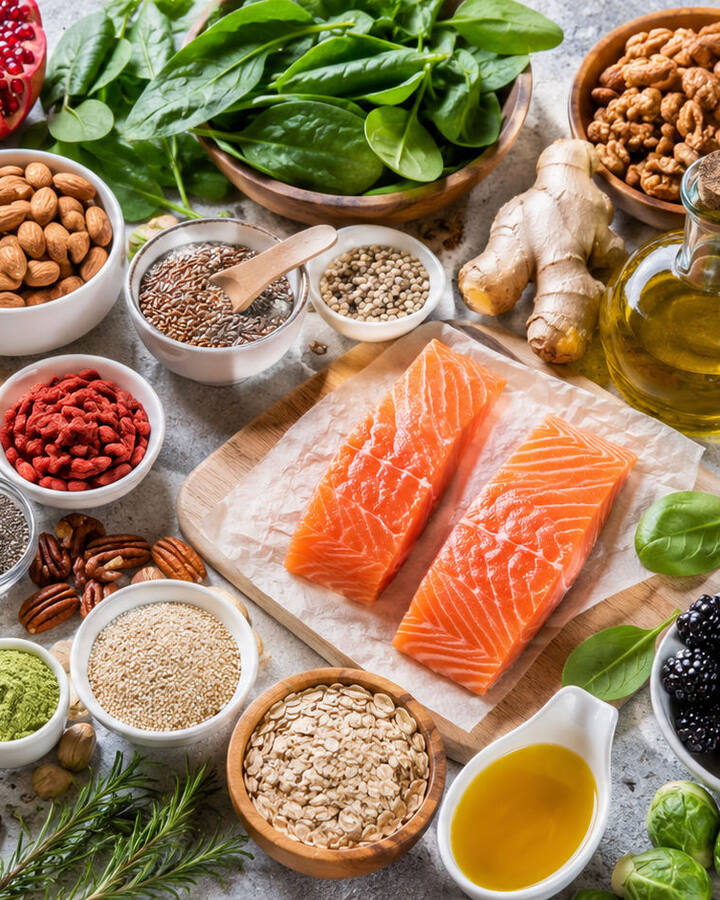
Every tissue that was stretched, torn, or surgically incised during birth requires protein to heal. Muscle recovery, skin repair, and the production of hormones and neurotransmitters all depend on adequate protein. Aim for a protein source at every meal and most snacks — eggs, chicken, fish, legumes, Greek yogurt, cheese, and nuts are all excellent options. Protein also keeps blood sugar stable, which means fewer energy crashes and more even moods.
4. Omega-3 fatty acids — for mood and brain health
DHA and EPA omega-3s play a significant role in postpartum mood regulation. Low omega-3 levels have been associated with increased risk of postpartum depression — though the relationship is complex, and omega-3s alone are not a treatment for PPD. Oily fish — salmon, sardines, mackerel, herring — two to three times per week is ideal. If you don't eat fish, consider an algae-based DHA supplement.
5. Fibre and hydration — for digestive recovery
The first postpartum bowel movement is feared for good reason. Fibre and hydration are your friends. Oats, whole grains, fruit, vegetables, legumes, and plenty of water support bowel regularity and reduce the discomfort of constipation that's extremely common in the early postpartum weeks. Keep a water bottle within arm's reach of wherever you feed your baby.
6. Vitamin D — for immunity, mood, and bone health
Many people in northern climates — Canadians especially, with the risk of vitamin D deficiency more than doubling during winter months — are deficient in vitamin D. It supports immune function, mood regulation, and bone health. Most postnatal vitamins contain some vitamin D, but a dedicated supplement is often warranted. Speak with your doctor about appropriate dosing for you.
The 8 best foods for postpartum recovery
These foods come up repeatedly in both traditional postpartum practices across cultures and in modern nutritional research. Stock them and you've covered most of what your body needs.
- Bone broth — rich in collagen, minerals, and easy to digest. Warming and deeply nourishing.
- Oatmeal — iron, fibre, and sustained energy. A genuine postpartum staple.
- Eggs — complete protein, choline (critical for brain health), and fast to prepare.
- Salmon — DHA, protein, vitamin D. One of the most nutritionally complete postpartum foods.
- Lentils — iron, protein, fibre. Extremely versatile.
- Leafy greens — iron, calcium, folate. Easiest consumed in smoothies in the early weeks.
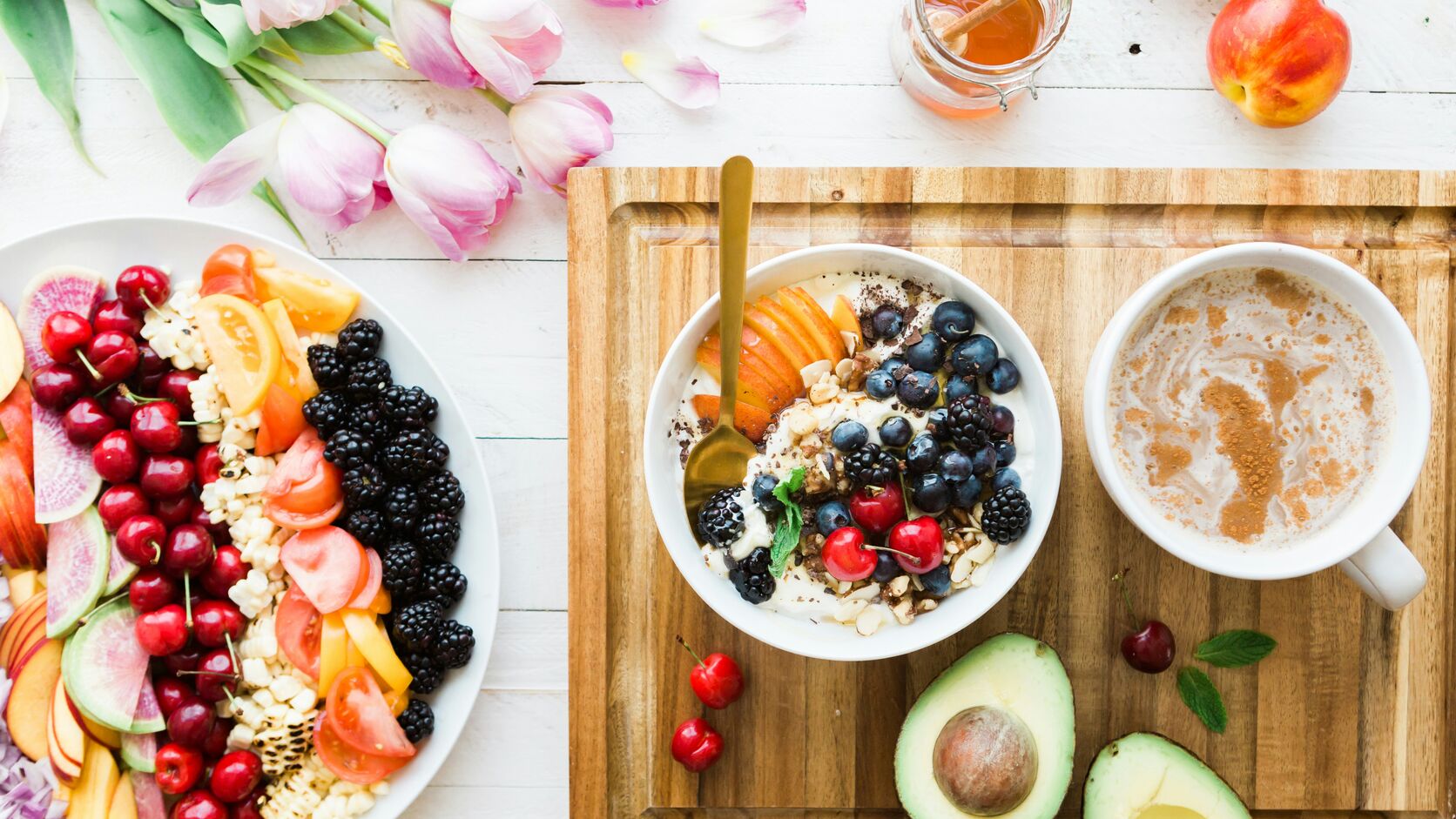
- Dark berries — antioxidants, vitamin C, and genuinely delicious in yogurt or oatmeal.
- Sweet potato — complex carbs, beta-carotene, vitamin C. Easy to roast in batches.
What to limit postpartum
Avoid the unnecessary "do-not-eat" lists that clutter the internet. Keep your restrictions minimal.
- Alcohol — keep minimal in early postpartum. It interferes with sleep quality and slows healing.
- High-mercury fish — limit shark, swordfish, and king mackerel, especially if breastfeeding.
- Unverified herbal supplements and teas — some have not been confirmed safe postpartum or while breastfeeding. Check with your doctor before starting any.
Focus on what to add, not what to restrict. Restriction is the opposite of what your body needs right now.
How to eat well postpartum when cooking feels impossible
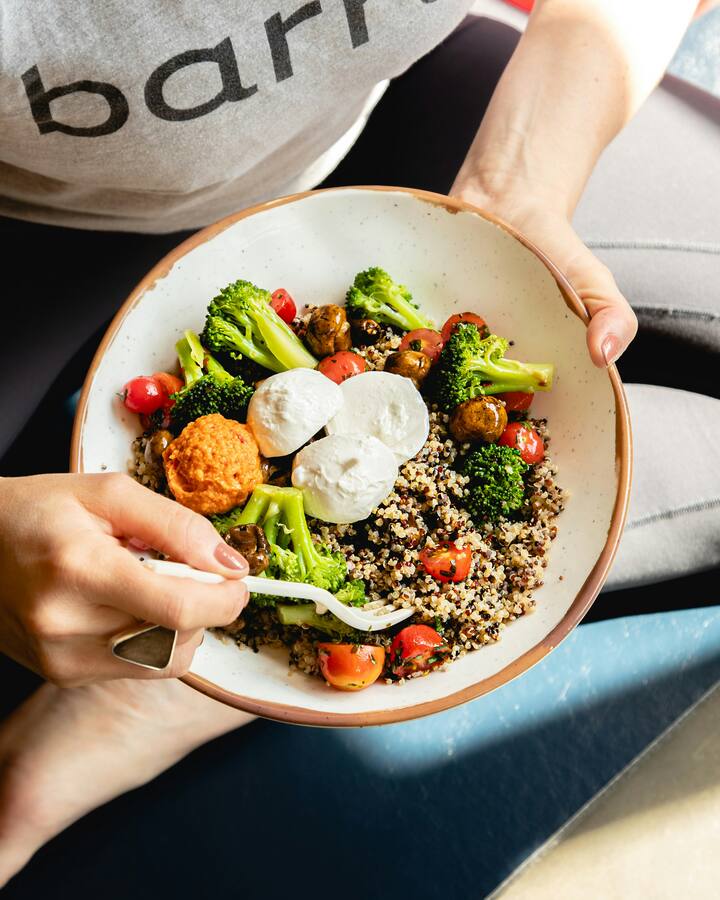
You will not cook elaborate meals in the first weeks. You don't need to. The goal is to eat something nourishing several times a day without it requiring significant effort.
- Accept every meal that's offered to you — and ask specifically for high-iron, high-protein options.
- Keep easy protein snacks within arm's reach: hard-boiled eggs, Greek yogurt, cheese, nuts.
- Stock smoothie ingredients: frozen berries, spinach, protein powder, nut butter — a smoothie is a meal in three minutes.
- Cook large batches when you have energy and freeze in individual portions.
- Don't attempt elaborate recipes before 6 weeks postpartum. Simplicity is the strategy.
The mothers who eat best in the fourth trimester are not the ones who meal-prep elaborate menus. They're the ones who keep nourishment simple and accessible — and ask for help.
Frequently asked questions
What should I eat postpartum to heal faster?
Prioritise iron-rich foods for blood replenishment, protein for tissue healing, omega-3s for mood support, and adequate calories overall. Simplicity and consistency matter more than perfection. Eating well across six small meals a day is better than one ambitious meal and then forgetting to eat.
How long does postpartum nutrition matter?
For as long as you're breastfeeding and recovering from birth — typically at least 12 months. The most intensive nutritional demands are in the first 6 months. Don't drop the focus too early.
Can diet help with postpartum depression?
Nutritional factors including omega-3 deficiency and iron deficiency have been associated with increased postpartum depression risk. Adequate nutrition supports mental health but is not a treatment for PPD. If you're struggling, please speak with your doctor. This is not a season to push through alone.
Do I need a special postpartum diet?
Not a restrictive one. A nourishing, whole-food diet with emphasis on iron, protein, omega-3s, and adequate calories supports recovery. Most traditional postpartum diets across cultures emphasise warming, easy-to-digest, nutrient-dense foods such as bone broth, stews, and soft grains. There's wisdom in that pattern.
What about postpartum weight loss?
The early postpartum period is for healing, not deficits. Adequate nutrition is what allows your body to recover, regulate hormones, and stabilise your mood. Weight changes naturally over time as your body recalibrates. If weight management becomes a priority later, speak with your doctor or a registered dietitian who specialises in postpartum care — not the internet.
What's the best postpartum nutrition for breastfeeding mothers?
Breastfeeding increases caloric needs by approximately 330 to 400 calories per day above pre-pregnancy baseline, plus elevated needs for protein, calcium, iron, and DHA. Hydration matters more than most people realise — keep water within reach of every feed.
The bottom line on postpartum nutrition
Your body did something extraordinary. It deserves nourishment that is extraordinary — not restriction, not deprivation, not going hungry because you forgot to eat again.
Enough calories. Iron. Protein. Healthy fats. Fibre. Water. That is postpartum nutrition. Everything else is detail.