
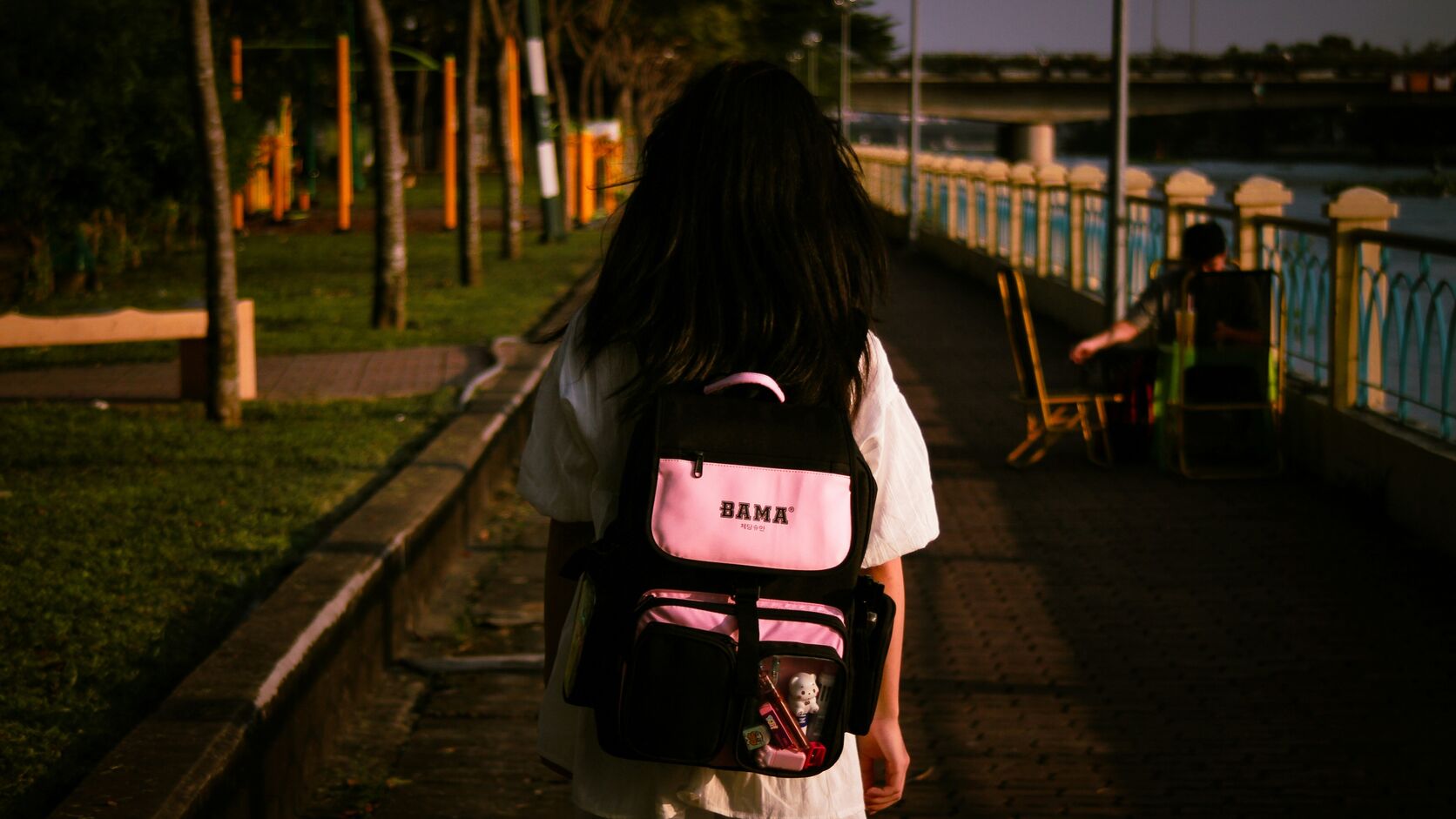

It usually starts small. A dragging foot at the breakfast table. A stomachache that appears at 7:45 and vanishes by ten. A voice from under the covers announcing, with total conviction, that today is the day they are simply not going.
With my own daughter, Brittany, it was always the same words. Mom, I have a stomach ache. For a long time I thought it was ordinary, the same reluctance every kid feels about school, and I will be honest with you, some mornings it left me annoyed and frustrated. I thought she just did not want to go. What I did not understand then was that those stomachaches were her anxiety, and that my girl was quietly moving through something heavier than a hard morning. She was not being difficult. She was struggling, and I could not yet see it.
If your child is digging in against going back to school, take a breath. This is one of the most common things children do, and it is almost never the crisis it feels like at the door. It is also rarely about the thing they are actually saying. Underneath “I don’t want to go” is usually a feeling they do not yet have the words for, and your job is less to win the argument and more to find that feeling.
What the resistance is usually about
Children resist school for reasons that make perfect sense once you can see them.
Sometimes it is separation, the plain ache of being away from you. Sometimes it is a friendship that went sideways, a seat that got moved, a subject that makes them feel small, or a teacher whose room feels loud and hard. Sometimes it is the sheer weight of transition, the end of slow summer mornings and the return of a schedule that asks a lot of a small nervous system. And sometimes, occasionally, it is something more serious, like a child who is being picked on and does not know how to tell you.
The point is not to guess right on the first try. It is to get curious instead of corrective.
Start by listening, not fixing
The instinct, especially at a rushed 8 a.m., is to reassure and move it along. “You’ll be fine, you love school, let’s go.” It comes from love, and it also, accidentally, tells your child that the feeling is not welcome.
Try trading the reassurance for a question. What part of the day feels hard? Who did you sit with yesterday? What are you worried might happen? Then let the answer land without rushing to solve it. You can hold a boundary and honor a feeling at the same time. “I hear that your tummy feels funny and you wish you could stay home. That makes sense. And we are still going to go, and I will be right here when you get back.” Feelings validated, ground held. If the words do not come easily in the moment, our scripts for the hardest talks with kids are built for exactly this kind of conversation.
Small things that help a lot
A few gentle structures tend to make the mornings softer.
Build a goodbye routine that is short, warm, and always the same, a hug, a phrase, a wave at the window, so the separation becomes predictable instead of negotiated fresh each day. Front-load connection before you part, even five unhurried minutes, because a child who feels full of you separates more easily. Name the feeling out loud so it feels less enormous, and pair it with a small dose of confidence in them: this is hard, and you can do hard things. A little transitional object in a pocket, a note tucked into the backpack, a photo, or something familiar in the lunchbox, can be a quiet tether. And reconnect on the other side, so the day is bookended by you rather than by dread.
It is also worth a quiet word with the teacher. They see the parts of the day you do not, and they are usually glad to be looped in early.
You do not have to make the feeling disappear. You just have to walk beside it.
When it might be more than jitters
Most back-to-school reluctance eases within a couple of weeks as the rhythm returns. Some of it does not, and that is worth noticing without panic.
If the resistance is intense and persistent, if it comes with real physical symptoms, escalating tears, trouble sleeping, or a level of dread that is not settling, or if your gut simply tells you something is off, that is a good moment to bring in support. The classroom teacher, the school counselor, and your child’s pediatrician are all on your team here, and looping them in is not an overreaction. It is exactly what those people are there for.
The part to hold onto
Your child not wanting to go to school is not a report card on your parenting. It is a small person meeting a big feeling and reaching, as they should, for you.
You do not have to make the feeling disappear. You just have to walk beside it, hold the loving boundary, and trust that most mornings that start with a meltdown end with a kid who got through the day just fine. They are learning, in your steady company, that they can do the hard thing and come out the other side. That lesson will outlast every rough drop-off you are having right now.
And on the days it is hard on you too, because it will be, that is allowed. Watching them struggle and sending them anyway is its own quiet act of love. If your own system is running hot by the time the door closes, a thirty-second reset is not indulgent. It is maintenance.
Frequently asked questions
Why does my child say they have a stomachache before school?
Because for a lot of children, anxiety lives in the body before it makes it into words. A stomachache that appears at 7:45 and vanishes by ten is very often a feeling looking for somewhere to go, not a lie and not a bid for a day off. It is worth taking seriously as information rather than treating it as a negotiation.
What is back-to-school resistance usually really about?
Separation, the plain ache of being away from you. A friendship that went sideways, a seat that got moved, a subject that makes them feel small, or a teacher whose room feels loud and hard. Sometimes it is the sheer weight of transition after slow summer mornings. And occasionally it is something more serious, like a child who is being picked on and does not know how to tell you.
Should I let my child stay home if they don't want to go?
You can hold a boundary and honor a feeling at the same time. That sounds like: “I hear that your tummy feels funny and you wish you could stay home. That makes sense. And we are still going to go, and I will be right here when you get back.” Feelings validated, ground held.
What actually helps at drop-off?
A goodbye routine that is short, warm, and always the same, so separation is predictable instead of renegotiated daily. Five unhurried minutes of connection before you part. Naming the feeling out loud and pairing it with confidence in them. A transitional object in a pocket or a note in the lunchbox. And reconnecting on the other side, so the day is bookended by you rather than by dread.
When is school refusal a sign of something more?
Most reluctance eases within a couple of weeks as the rhythm returns. If the resistance is intense and persistent, if it comes with real physical symptoms, escalating tears, trouble sleeping, or a level of dread that is not settling, or if your gut tells you something is off, loop in the classroom teacher, the school counselor, and your child’s pediatrician. That is what they are there for.